
Non-Owner SR-22 Filing — Illinois
Free to compare
Illinois Non-Owner SR-22 Without the Vehicle
Your license was suspended for uninsured driving or a DUI, you sold your car to cut costs, and now the Illinois Secretary of State is telling you to maintain SR-22 insurance for three years to reinstate. The procedural confusion: how do you file proof of insurance when you don't own a vehicle? Non-owner SR-22 policies exist specifically for this situation—they satisfy Illinois's continuous coverage requirement without requiring you to insure a car you don't have.
The filing itself is fast. Illinois carriers transmit non-owner SR-22 certificates to the Secretary of State electronically the same day the policy activates, often within hours of purchase. The delay most suspended drivers hit is not the SR-22 transmission—it's missing the other reinstatement documentation: proof of completed alcohol evaluation for DUI cases, payment of the reinstatement fee, or resolution of unpaid citations that triggered the original suspension. The SR-22 filing is procedurally simple; the blocker is usually upstream.
“Illinois carriers transmit non-owner SR-22 certificates the same day the policy activates—most reinstatement delays come from missing documentation, not the filing itself.”

Line Up Illinois Coverage Before Reinstatement
Get My Illinois Suspended License Insurance QuoteSame day
Illinois SR-22 Filing Speed
Illinois carriers filing SR-22 electronically transmit certificates to the Secretary of State within hours of policy activation. The Secretary of State's electronic insurance verification system updates the same business day, not after a multi-day processing window.
Illinois Secretary of State Safety and Financial Responsibility Division
What Non-Owner SR-22 Actually Covers
Non-owner SR-22 is liability-only coverage that follows you when you drive a vehicle you don't own: a rental, a borrowed car, a company vehicle. Illinois state minimums apply: $25,000 bodily injury per person, $50,000 per accident, $20,000 property damage. The policy does not cover a car you own or regularly use—if you later buy a vehicle, you must convert to a standard auto policy with SR-22 endorsement or your coverage will not respond to a claim.
The SR-22 certificate itself is not insurance. It is a filing—a form your carrier submits to the Secretary of State certifying you maintain continuous liability coverage meeting state minimums. Illinois requires the filing for three years from your reinstatement date for most violations. If the policy lapses or cancels during that period, the carrier notifies the Secretary of State within 15 days and your license suspends again immediately.
Non-owner policies cost less than standard auto policies because they cover lower risk exposure. Illinois suspended drivers without vehicles typically pay $35 to $65 per month for non-owner SR-22 coverage depending on violation history and county. DUI-related suspensions push premiums higher than uninsured-driver suspensions, but the spread is narrower than standard auto policies because non-owner policies exclude collision and comprehensive risk.
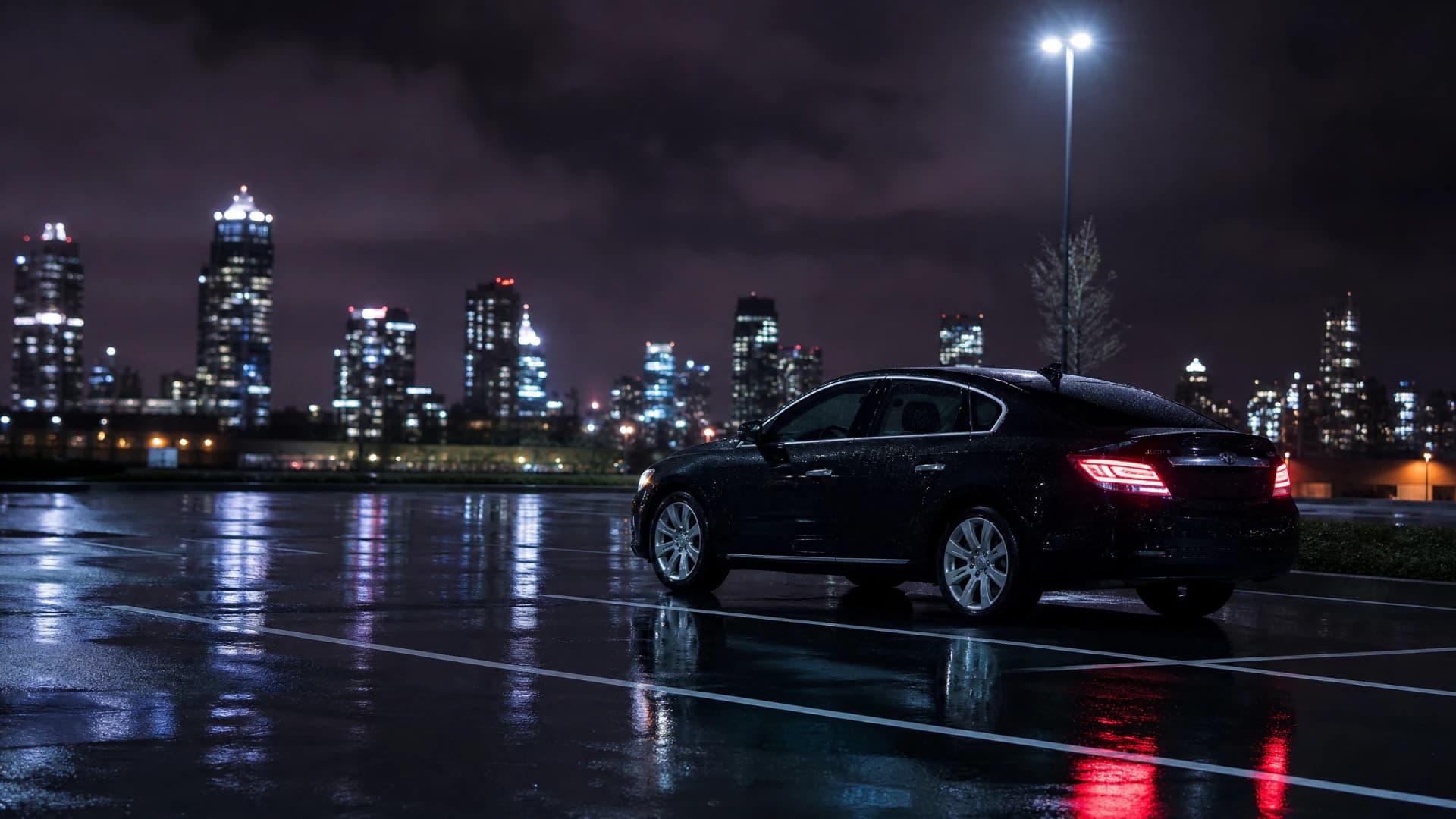
If you buy or regularly use a vehicle while holding a non-owner policy, your SR-22 coverage does not transfer—convert to a standard policy immediately or you're uninsured.




Reinstatement Steps Beyond the SR-22
Filing SR-22 does not automatically reinstate your license. Illinois requires completion of all suspension conditions before reinstatement is granted. For DUI-related revocations, that means: completing a Secretary of State-approved alcohol and drug evaluation, attending a victim impact panel if ordered, paying the $500 reinstatement fee for first-offense DUI or $1,000 for subsequent offenses, filing SR-22, and attending a formal or informal hearing before a Secretary of State hearing officer. The SR-22 filing is one of five to seven discrete procedural requirements—most applicants underestimate the evaluation and hearing lead time.
For non-DUI suspensions triggered by uninsured driving or insurance lapse, the path is shorter: pay the $70 base reinstatement fee, resolve any unpaid citations or fines that contributed to the suspension, file SR-22, and wait for the Secretary of State to process the reinstatement. Processing typically takes 5 to 10 business days after all conditions are met and fees are paid. If your suspension involved a Restricted Driving Permit (RDP) during the suspension period, verify the RDP was not violated—unreported address changes, unapproved travel outside permitted routes, or failure to maintain required insurance during the RDP period can block reinstatement even after the suspension term expires.
Stacking suspensions complicate timelines. If you accumulated multiple suspension orders—unpaid tickets, uninsured driving, and a separate DUI suspension—each must be resolved independently before reinstatement is granted. Fees and conditions stack. The Secretary of State does not consolidate suspension cases automatically; you must address each order separately and provide proof of resolution for all cases before the reinstatement window opens.
$8
Illinois RDP Application Fee
The Restricted Driving Permit application fee is $8 as of current Secretary of State fee schedules. This is separate from the reinstatement fee, the hearing fee for DUI cases, and any SR-22 filing fees charged by carriers.
Illinois Secretary of State fee schedule

Maintaining SR-22 for Three Years
Illinois requires continuous SR-22 filing for three years from your reinstatement date, not from the violation date or the suspension start date. If you reinstate on March 15, 2025, you must maintain SR-22 until March 15, 2028. Any lapse in coverage during that period triggers automatic re-suspension. The carrier is required to notify the Secretary of State within 15 days of policy cancellation or non-renewal; the Secretary of State typically suspends your license within 30 days of receiving the lapse notification.
Set up automatic payment for the non-owner policy. Missing a single monthly premium payment can trigger a lapse notice before you realize the payment failed. Most carriers offer a grace period of 10 to 15 days after the due date before canceling for non-payment, but that window is shorter than the notification period—by the time you receive a cancellation notice, the lapse may already be reported to the Secretary of State. If a lapse occurs, contact the carrier immediately to reinstate the policy and request they withdraw the SR-22 cancellation filing if it has not yet been transmitted. Some carriers will accommodate same-day reinstatement if you pay the missed premium plus a reinstatement fee within 24 hours of cancellation.
Start the SR-22 Filing Today
Contact carriers writing non-owner SR-22 in Illinois and request quotes. Compare monthly premiums, SR-22 filing fees, and payment plan options. Purchase the policy, verify the SR-22 certificate transmitted to the Secretary of State within 48 hours, then address the remaining reinstatement conditions: fees, evaluations, hearings, or citation resolution. The SR-22 filing itself is the fastest part of the reinstatement process—the procedural pathway beyond it determines your timeline. If you need help identifying carriers or understanding your specific reinstatement requirements, Illinois Suspended License Insurance connects suspended drivers with non-owner SR-22 coverage and state-specific reinstatement guidance.
How to File Non-Owner SR-22 in Illinois
Contact a carrier writing non-owner SR-22 in Illinois. Not all carriers offer non-owner policies—Progressive, GEICO, State Farm, Dairyland, Bristol West, and The General write non-owner coverage with SR-22 endorsement in Illinois as of current filings. Request a non-owner liability policy meeting Illinois minimums ($25,000/$50,000/$20,000) with SR-22 certificate filing. The carrier will ask for your driver's license number, suspension case number from the Secretary of State, and violation details. Pay the first month's premium and any SR-22 filing fee the carrier charges (typically $15 to $50 one-time, separate from the policy premium).
The carrier files the SR-22 certificate electronically with the Illinois Secretary of State the same day the policy activates. You do not file the SR-22 yourself—the carrier transmits it directly. Verify the filing reached the Secretary of State by calling the Safety and Financial Responsibility Division at 217-782-2201 or checking your driver record online through the Secretary of State's website 24 to 48 hours after purchase. If the SR-22 does not appear within two business days, contact the carrier immediately—filing errors happen and missing the SR-22 on record delays reinstatement.
Get Your Free Quote
Get My Illinois Suspended License Insurance QuoteFrequently Asked Questions
Can I get non-owner SR-22 in Illinois if I have a DUI?
Yes. Illinois carriers write non-owner SR-22 policies for DUI-related revocations. Premiums run higher than uninsured-driver suspensions, typically $50 to $90 per month depending on violation history and county. You must also complete alcohol evaluation, attend hearings, and pay the $500 to $1,000 DUI reinstatement fee before the Secretary of State grants reinstatement.
How long does Illinois SR-22 filing take to show up on my record?
Illinois carriers file SR-22 electronically the same day the policy activates. The Secretary of State's insurance verification system updates within 24 to 48 hours. Check your driver record online or call the Safety and Financial Responsibility Division at 217-782-2201 two business days after purchase to verify the filing appears.
What happens if my non-owner SR-22 policy lapses in Illinois?
The carrier notifies the Secretary of State within 15 days of cancellation or non-renewal. Your license suspends automatically within 30 days of the lapse notification. If you reinstate the policy within 24 hours of cancellation, some carriers will withdraw the SR-22 cancellation filing before transmission. After transmission, you must file a new SR-22 and pay reinstatement fees again.
Do I need SR-22 if my Illinois license was suspended for unpaid tickets?
Not always. Illinois does not require SR-22 for suspensions triggered solely by unpaid tickets or Failure to Appear citations. You must pay the fines and the $70 reinstatement fee to lift the suspension. SR-22 is required for uninsured driving, DUI, and some insurance-lapse suspensions. Verify your specific suspension order with the Secretary of State before purchasing SR-22 coverage.
Can I cancel non-owner SR-22 after I buy a car in Illinois?
You must convert to a standard auto policy with SR-22 endorsement before canceling the non-owner policy. If you cancel the non-owner policy without replacing it, the carrier reports an SR-22 lapse to the Secretary of State and your license suspends again. Contact your carrier before purchasing the vehicle to coordinate the policy transition without creating a coverage gap.
How much does non-owner SR-22 cost in Illinois?
Monthly premiums typically range from $35 to $90 depending on violation type, driving history, and county. DUI-related suspensions cost more than uninsured-driver suspensions. Carriers also charge a one-time SR-22 filing fee of $15 to $50 separate from the monthly premium. Estimates based on available industry data; individual rates vary.