
Non-Owner SR-22 Insurance — Illinois
Free to compare
When You Need SR-22 Filing but Don't Own a Car
Your Illinois license was suspended for DUI, uninsured driving, or repeated violations. The Secretary of State's reinstatement letter says you need SR-22 insurance. But you sold your car months ago, or you've been borrowing a family member's vehicle, or you rely on rideshare and public transit. You don't own a vehicle to insure.
Non-owner SR-22 insurance exists precisely for this scenario. It's a liability policy that covers you as a driver—not a specific vehicle—and includes the state-mandated SR-22 filing the Secretary of State requires for reinstatement. Illinois accepts non-owner SR-22 filings for most suspension types, and carriers price these policies significantly lower than standard auto coverage because they carry less risk.
“The Secretary of State rejects non-owner SR-22 filings if you own a registered vehicle in Illinois—vehicle ownership disqualifies you automatically.”

Line Up Illinois Coverage Before Reinstatement
Get My Illinois Suspended License Insurance Quote$25–$50/mo
Non-Owner SR-22 Premium Illinois
Non-owner policies cost substantially less than owner policies because the carrier assumes you drive infrequently. Drivers with clean records prior to the triggering violation typically fall in the lower half of this range; those with multiple violations or a recent DUI land at the higher end.
Industry rate data from carriers writing non-owner SR-22 in Illinois, 2025
What Non-Owner SR-22 Actually Covers
A non-owner policy provides liability coverage when you drive a vehicle you don't own. It meets Illinois's minimum liability requirements: $25,000 bodily injury per person, $50,000 bodily injury per accident, and $20,000 property damage. The SR-22 certificate is filed electronically by the carrier to the Illinois Secretary of State, satisfying the state's proof-of-financial-responsibility mandate.
The policy does not cover a vehicle you own, lease, or have regular access to. If you live with family members who own cars and you're listed on their registration or title, you need a standard policy with SR-22—not a non-owner policy. The coverage follows you as a driver: if you borrow a friend's car and cause an accident, your non-owner policy pays after the vehicle owner's insurance limits are exhausted.
Non-owner policies do not include collision or comprehensive coverage. They cover damage you cause to others, not damage to the vehicle you're driving. If you're financing or leasing a car, lenders require full coverage—non-owner policies won't meet that requirement.
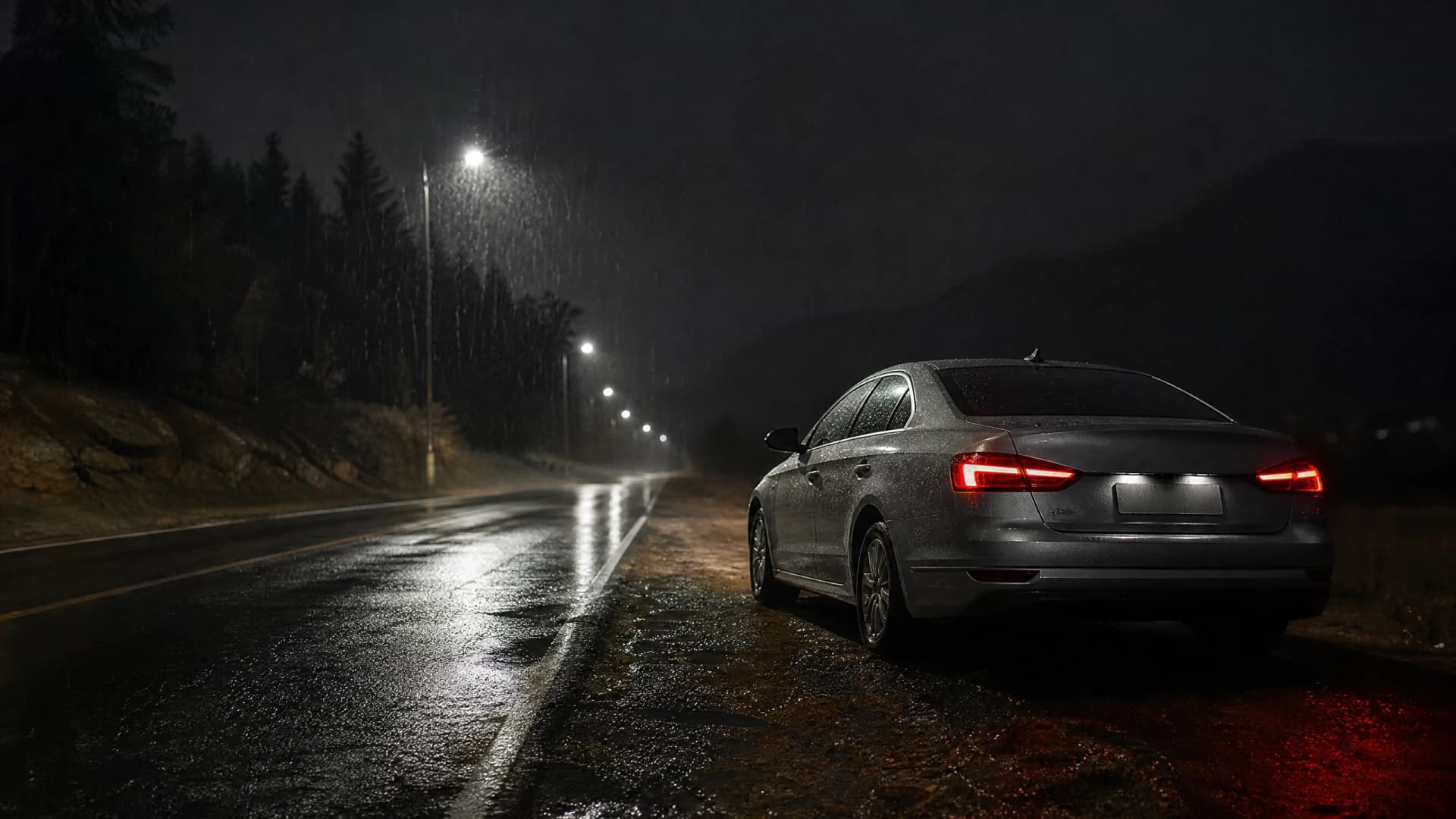
The Secretary of State rejects non-owner SR-22 filings if you own a registered vehicle in Illinois. Vehicle ownership disqualifies you from non-owner eligibility automatically.


Non-Owner SR-22 and Restricted Driving Permits
Illinois offers a Restricted Driving Permit (RDP) for drivers whose licenses are suspended or revoked. The RDP allows driving for specific approved purposes—typically work, medical appointments, school, or court-ordered treatment programs. To qualify for an RDP, you must maintain SR-22 insurance throughout the permit period.
Non-owner SR-22 satisfies the RDP insurance requirement. The Secretary of State does not require you to own a vehicle to hold an RDP—you can drive borrowed or employer-owned vehicles under the permit's restrictions as long as your non-owner policy remains active. If your SR-22 lapses or is cancelled, the Secretary of State revokes the RDP immediately and extends your suspension period.
RDP applications require proof of SR-22 filing at the time of your hearing. Bring your SR-22 certificate and insurance declaration page to the Secretary of State hearing. If you're applying for a DUI-related RDP, you'll also need proof of BAIID (Breath Alcohol Ignition Interlock Device) installation—the RDP and BAIID requirements run concurrently for alcohol-related revocations.
3 years
Illinois SR-22 Filing Duration
Illinois requires SR-22 filing for three years from the date of reinstatement for most DUI, uninsured motorist, and serious violation suspensions. The three-year clock starts when your license is reinstated, not when you first file SR-22. If your SR-22 lapses during this period, the Secretary of State suspends your license again and the three-year period restarts from your next reinstatement date.
625 ILCS 5/7-702 (Illinois Vehicle Code)
Cost Factors for Non-Owner SR-22 Policies
Non-owner SR-22 premiums in Illinois vary by violation type, driving record length, and age. A first-time DUI suspension typically costs $30–$45/mo with a non-owner SR-22 policy. Multiple violations, reckless driving charges, or a pattern of uninsured driving push rates toward $50–$70/mo. Drivers under 25 with suspension history face the highest non-owner rates—sometimes exceeding $80/mo—because age and violation risk compound.
The SR-22 filing itself costs $15–$50 as a one-time carrier processing fee, separate from the monthly premium. Some carriers waive this fee; others charge it upfront. Payment plans are standard—most carriers offer monthly billing with automatic withdrawal, though some require a down payment equal to two months' premium to activate the policy.
What Happens When You Buy a Car
If you purchase or register a vehicle while holding a non-owner SR-22 policy, you must convert to a standard auto policy with SR-22 immediately. Non-owner policies exclude coverage for owned vehicles. Driving a car you own under a non-owner policy leaves you uninsured—if you're stopped or involved in an accident, the Secretary of State will suspend your license again for driving uninsured.
Contact your carrier the day you register the vehicle. Most carriers writing non-owner SR-22 also write standard policies and can convert your coverage without interrupting your SR-22 filing. The SR-22 certificate transfers to the new policy automatically; the Secretary of State receives an updated filing showing the vehicle information. Your premium will increase because standard policies with SR-22 cost more than non-owner policies—expect $120–$200/mo depending on the vehicle and your violation history.
How to Get Non-Owner SR-22 in Illinois
Start by contacting carriers confirmed to write non-owner SR-22 in Illinois. Based on current carrier availability, Dairyland, GAINSCO, Geico, Progressive, The General, and USAA write non-owner policies with SR-22 filing in Illinois. Bristol West also writes non-owner SR-22 but may require broker placement. Other major carriers either don't offer non-owner policies or don't combine them with SR-22 filing.
You'll provide your driver's license number, suspension details, and the SR-22 filing requirement from your Secretary of State reinstatement letter. The carrier will run your motor vehicle record to assess violation history and price the policy. Once approved, the carrier files the SR-22 certificate electronically with the Illinois Secretary of State—typically within 1-3 business days. You receive a copy of the filed SR-22 and proof of insurance card via email or mail.
Get Your Free Quote
Get My Illinois Suspended License Insurance QuoteFrequently Asked Questions
Can I get non-owner SR-22 insurance if I live with someone who owns a car?
Yes, as long as you're not listed on the vehicle's title or registration. If you live with family members who own cars but those vehicles are titled and registered solely in their names, you qualify for non-owner SR-22. If you're listed as a co-owner or registered driver, you need a standard policy with SR-22 instead.
How long does it take to file SR-22 with the Illinois Secretary of State?
Carriers file SR-22 certificates electronically, and the Illinois Secretary of State typically processes them within 1-3 business days. You'll receive confirmation once the filing is accepted. Keep a copy of your SR-22 certificate and proof of insurance—you'll need both for reinstatement or RDP hearings.
What happens if my non-owner SR-22 policy lapses?
The carrier notifies the Illinois Secretary of State within 10 days of cancellation or lapse. The Secretary of State suspends your license immediately and the three-year SR-22 filing period restarts from zero when you reinstate. You'll pay a new $70 reinstatement fee plus any suspension-specific fees.
Do I need non-owner SR-22 if I only drive for work using a company vehicle?
Yes. Illinois requires SR-22 filing as proof of financial responsibility regardless of whether you own a vehicle or only drive employer-owned vehicles. Non-owner SR-22 satisfies this requirement and covers you when driving company cars, rental vehicles, or borrowed personal vehicles.
Can I switch carriers while maintaining SR-22 filing?
Yes, but the new carrier must file an SR-22 certificate with the Secretary of State before you cancel the old policy. Any gap in SR-22 coverage—even one day—triggers automatic suspension. Coordinate the switch so the new SR-22 filing is confirmed active before cancelling your current policy.