
Non-Owner SR-22 Insurance — Illinois
Free to compare
You Lost Your License, Not Your Need to Drive
Your Illinois license was suspended, you sold your car or let the lease expire because you couldn't drive it legally, and now you're borrowing vehicles from family or friends to get to work, medical appointments, or the grocery store. The Secretary of State reinstatement letter says you need SR-22 proof of insurance, but every carrier quote tool asks for a vehicle VIN you don't have. You're stuck between a filing requirement that assumes vehicle ownership and a daily reality that doesn't include one.
Non-owner SR-22 insurance exists precisely for this gap. It satisfies Illinois reinstatement requirements without requiring you to own, lease, or title a vehicle. The Secretary of State Safety and Financial Responsibility Division accepts non-owner SR-22 filings for most suspension triggers: uninsured driving, multiple violations, DUI statutory summary suspension, and lapse-related administrative holds. The policy covers liability when you drive vehicles you don't own, and the SR-22 certificate proves continuous coverage to the state for the required three-year monitoring period.
“Non-owner SR-22 applies as secondary coverage when you drive borrowed vehicles — the owner's policy responds first, yours fills gaps.”

Line Up Illinois Coverage Before Reinstatement
Get My Illinois Suspended License Insurance Quote$85–$140/mo
Non-Owner SR-22 Premium Illinois
Monthly cost for Illinois non-owner SR-22 policies covering state minimum liability limits ($25,000 bodily injury per person, $50,000 per accident, $20,000 property damage). Rates vary by violation history, age, and county. Estimates based on available industry data; individual rates vary.
Non-Owner SR-22 Covers You, Not the Vehicle You're Driving
The structural confusion most Illinois filers face: they assume non-owner SR-22 works like a vehicle policy that follows the car. It doesn't. Non-owner coverage is a named driver policy that follows you to whatever vehicle you're driving — borrowed, rented, or employer-provided — as long as you don't have regular access to a household vehicle. The policy provides liability coverage only. It does not cover damage to the vehicle you're driving (that's collision and comprehensive, which require vehicle ownership or a lease). It covers bodily injury and property damage you cause to others.
The second structural reality that trips up filers: non-owner SR-22 applies as secondary coverage when you drive a borrowed vehicle. If the vehicle owner carries their own auto insurance, their policy responds first. Your non-owner policy steps in only when the owner's coverage limits are exhausted or when the owner has no insurance at all. This is not a defect — it's how non-owner policies are designed. The Illinois Secretary of State does not require you to carry primary coverage to satisfy SR-22 filing obligations; they require proof that you maintain continuous liability insurance in at least state minimum amounts.
If you live with someone who owns a vehicle and you're listed as a household member, most carriers will not sell you a non-owner policy. The industry assumption: household members have regular access to household vehicles and should be listed on the vehicle owner's policy instead. If you genuinely do not drive the household vehicle and the owner refuses to add you (or their carrier excludes you), document that reality with your non-owner carrier before purchasing. Some will issue the policy with an affidavit; others will decline.
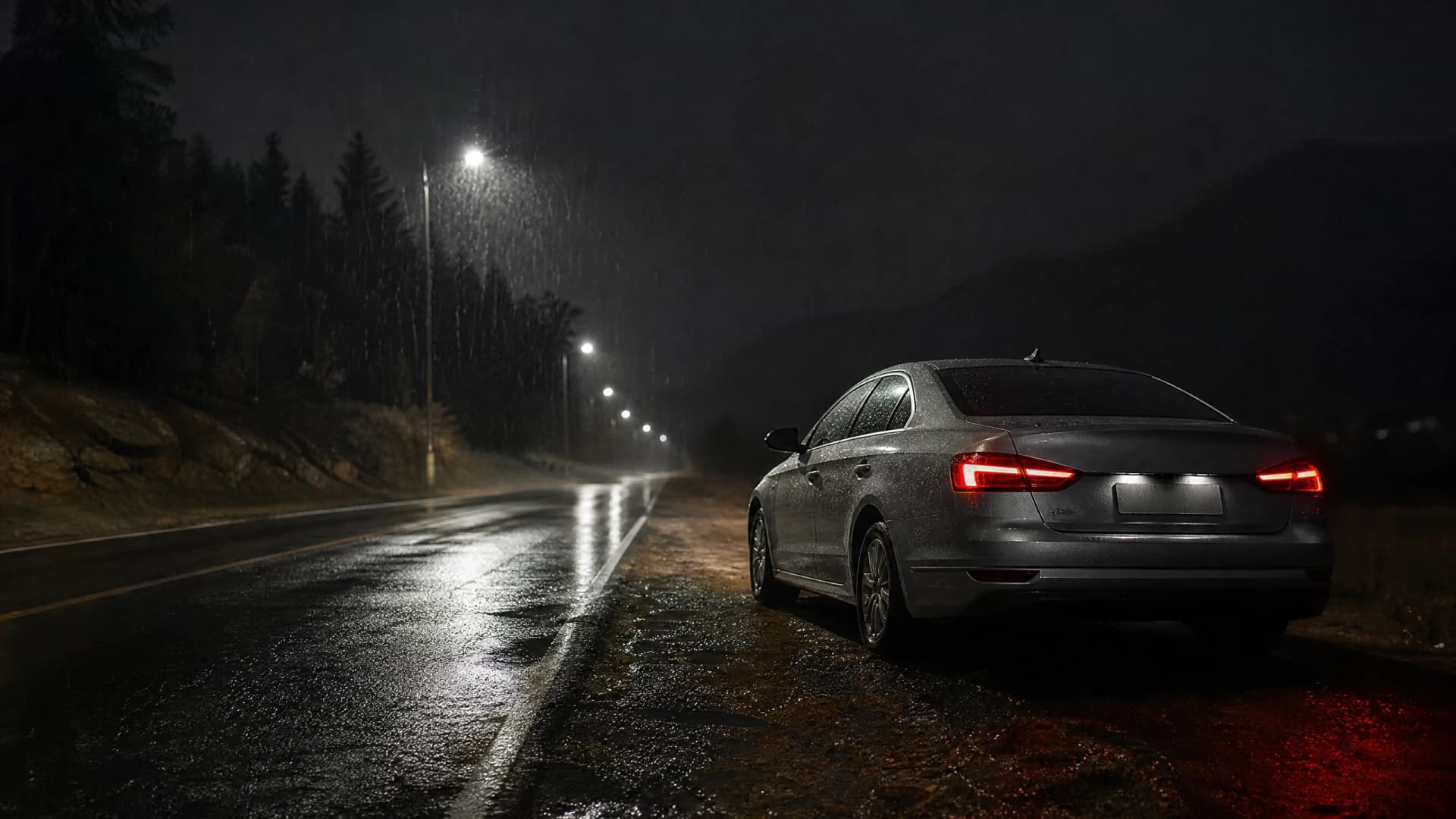
You cannot use a non-owner SR-22 policy to insure a vehicle you own, lease, or have titled in your name — even if the registration is suspended.


What Happens When You Drive a Borrowed Vehicle Under Non-Owner Coverage
You borrow a friend's car to drive to a job interview. You cause an accident that injures the other driver and damages their vehicle. The other driver's medical bills total $40,000 and property damage is $8,000. Your friend's auto policy carries Illinois minimum limits ($25,000/$50,000/$20,000). Their policy pays first: $25,000 toward medical bills (the per-person bodily injury limit) and $8,000 toward property damage. That leaves $15,000 in unpaid medical bills.
Your non-owner SR-22 policy steps in as secondary coverage and pays the remaining $15,000, up to your policy's per-person limit. If your non-owner policy also carries only state minimums, you're fully covered in this scenario because the combined limits exceed the claim. If the medical bills had been $60,000, the vehicle owner's policy would pay $25,000, your non-owner policy would pay another $25,000 (your per-person limit), and you would be personally liable for the remaining $10,000 unless you carried higher limits.
If your friend has no auto insurance on the vehicle — a violation of Illinois mandatory insurance law under 625 ILCS 5/7-601 — your non-owner policy responds as primary coverage up to your policy limits. This is the scenario where non-owner SR-22 provides the most protection: borrowed uninsured vehicles. The risk: if the vehicle owner is uninsured and you cause a serious accident, your state minimum limits may not cover the full claim and you face personal liability exposure.
One failure mode most filers miss: if you borrow a vehicle from someone who has excluded you by name on their auto policy, their coverage will not apply at all and your non-owner policy becomes primary. Exclusions are common when a household member has a serious violation history and the vehicle owner wants to avoid premium increases. Confirm with the vehicle owner whether their policy excludes you before assuming their coverage applies first.
3 years
Illinois SR-22 Monitoring Period
Illinois requires continuous SR-22 filing for three years post-reinstatement for most suspension triggers, including DUI statutory summary suspension, uninsured driving violations, and multiple moving violations. The monitoring period starts from reinstatement date, not suspension date. Lapse during this window triggers automatic re-suspension.
625 ILCS 5/7-315
Restricted Driving Permit and Non-Owner SR-22 Interaction
Illinois offers a Restricted Driving Permit (RDP) for drivers under certain suspension types — including first-offense DUI statutory summary suspension, uninsured driving, and some multiple-violation cases. The RDP allows driving for court-approved purposes (work, medical appointments, school, alcohol treatment programs) during the suspension period. DUI-related RDPs require installation of a Breath Alcohol Ignition Interlock Device (BAIID) monitored by the Secretary of State.
If you hold an RDP and drive borrowed vehicles only, you still need SR-22 proof. Non-owner SR-22 satisfies this requirement. The RDP application process (handled through the Secretary of State Safety and Financial Responsibility Division, not a DMV) requires proof of insurance as part of the application packet. Submit the non-owner SR-22 confirmation from your carrier along with your RDP application, employment verification, and hearing fee payment ($8 for most applicants; DUI revocations face higher fees and formal hearing requirements).
Compare Non-Owner SR-22 Carriers Writing in Illinois
Not all carriers writing auto insurance in Illinois offer non-owner policies, and fewer still handle SR-22 filings for non-standard applicants. Dairyland, Progressive, GAINSCO, Geico, The General, and USAA all confirm availability per state licensing disclosures and carrier SR-22 program documentation. Premiums vary significantly by carrier and your specific violation profile. A 35-year-old driver reinstating after a first DUI in Cook County may see quotes ranging from $95/month to $160/month for identical coverage limits.
Request quotes from at least three carriers. Ask each: Does your non-owner policy in Illinois cover borrowed vehicles as secondary liability? What happens if the vehicle owner has no insurance? What happens if I'm excluded on the owner's policy? How quickly do you file SR-22 electronically with the Secretary of State after binding? What is your SR-26 cancellation notice timeline if I miss a payment? Carriers that specialize in high-risk and SR-22 filings (Dairyland, Bristol West, The General) often process SR-22 certificates faster and handle reinstatement paperwork more reliably than standard-tier carriers unfamiliar with the Illinois Secretary of State's Safety and Financial Responsibility filing systems.
Filing Non-Owner SR-22 with the Illinois Secretary of State
Contact a carrier writing non-owner SR-22 policies in Illinois. Dairyland, Progressive, GAINSCO, Geico, The General, and USAA all confirm non-owner and SR-22 capability per carrier state availability disclosures. Request a non-owner liability policy covering Illinois minimum limits: $25,000 bodily injury per person, $50,000 bodily injury per accident, $20,000 property damage. The carrier will ask for your driver's license number, suspension notice details, and the specific trigger that caused your suspension. Premiums for non-owner SR-22 typically run $85–$140 per month depending on your violation history and county.
Once you pay the first month's premium and the policy binds, the carrier electronically transmits the SR-22 certificate to the Illinois Secretary of State Safety and Financial Responsibility Division. This filing happens within 24–72 hours of policy binding in most cases. You do not file the SR-22 yourself. The Secretary of State updates your driver record to reflect continuous coverage. Illinois requires SR-22 monitoring for three years from the reinstatement date for most suspension triggers. If your policy lapses or cancels during that period, the carrier files an SR-26 (cancellation notice) and the Secretary of State re-suspends your license immediately.
Get Your Free Quote
Get My Illinois Suspended License Insurance QuoteFrequently Asked Questions
Can I use non-owner SR-22 insurance if I borrow the same car every day?
Yes, as long as you don't own the vehicle, it's not titled or leased in your name, and you're not listed as a household member with regular access to a household vehicle. Illinois carriers issue non-owner policies for drivers who borrow vehicles regularly from friends, family, or employers. The policy covers you, not the specific vehicle.
What happens if I buy a car while I have a non-owner SR-22 policy?
You must immediately switch to a standard auto insurance policy covering the vehicle you now own. Non-owner policies do not cover owned vehicles. Contact your carrier the day you purchase or lease a vehicle. They will cancel the non-owner policy, issue a standard policy, and refile SR-22 under the new policy so your monitoring period continues without interruption.
Does non-owner SR-22 cover damage to the car I'm driving?
No. Non-owner policies provide liability coverage only — they pay for injuries and property damage you cause to others. Damage to the vehicle you're driving is covered by the vehicle owner's collision and comprehensive coverage, not your non-owner policy. If the owner has no collision coverage, the vehicle damage is not covered by your policy.
How long does it take for SR-22 to show up on my Illinois driving record?
Carriers electronically file SR-22 certificates with the Illinois Secretary of State within 24–72 hours of policy binding. The Secretary of State updates your driver record within 3–5 business days after receiving the filing. You can verify SR-22 status by calling the Safety and Financial Responsibility Division or checking your online driver record through the Secretary of State website.
Can I get a non-owner SR-22 policy if I live with someone who owns a car?
Most carriers will not issue non-owner policies to household members with access to a household vehicle. If you genuinely do not drive the household vehicle and the owner will not add you to their policy, some carriers will issue non-owner coverage with a signed affidavit confirming no regular access. Expect higher scrutiny and possible declination.
What happens if my non-owner SR-22 policy lapses during the three-year monitoring period?
The carrier files an SR-26 cancellation notice with the Illinois Secretary of State immediately. The Secretary of State re-suspends your license the same day the SR-26 is processed. You must purchase a new policy, refile SR-22, pay a reinstatement fee, and restart the three-year monitoring period from the new reinstatement date. Lapse adds months or years to your total SR-22 obligation.