
Non-Owner SR-22 Insurance for Borrowed Cars — Illinois
Free to compare
Why the Owner's Policy Doesn't Satisfy Your SR-22 Requirement
You borrowed a friend's car and their insurance covers the vehicle — but Illinois Secretary of State still shows your license as suspended because your non-owner SR-22 policy lapsed. The owner's policy protects the vehicle and covers permissive drivers under liability terms, but it does not satisfy your individual SR-22 filing obligation. Illinois treats SR-22 as a continuous proof-of-financial-responsibility filing attached to your driver record, not to a specific vehicle. The Secretary of State monitors your filing status electronically; if your insurer cancels your non-owner SR-22 policy, the SOS receives notification within 10 days and your suspension reinstates automatically.
This is structural, not a technicality. Non-owner SR-22 policies exist specifically to satisfy the filing requirement for drivers who do not own a vehicle but need continuous proof of insurance on file with the state. When you drive a borrowed car, two insurance layers operate simultaneously: the owner's policy covers the vehicle under permissive use, and your non-owner policy covers your filing obligation. Neither replaces the other. If you let your non-owner policy lapse, your SR-22 filing drops and your license suspends again — even if you have never driven uninsured and the borrowed car's coverage is active.
“The owner's policy covers the vehicle, your non-owner policy covers the filing — neither replaces the other, and lapses in either trigger suspension.”

Line Up Illinois Coverage Before Reinstatement
Get My Illinois Suspended License Insurance Quote$70 + $8
Illinois Reinstatement Cost After Lapse
If your non-owner SR-22 policy lapses, the Illinois Secretary of State reinstates the suspension and requires a $70 reinstatement fee plus an $8 Restricted Driving Permit application fee if you need driving privileges during the re-filing period. Payment does not restore your license — you must file a new SR-22 and wait for the SOS to process the filing before reinstatement is approved.
Illinois Secretary of State Safety and Financial Responsibility Division fee schedule
What Non-Owner SR-22 Actually Covers When You Borrow a Car
Non-owner SR-22 provides liability coverage when you drive a vehicle you do not own. Illinois requires non-owner policies to meet the state's minimum liability limits: $25,000 bodily injury per person, $50,000 bodily injury per accident, and $20,000 property damage. If you cause an accident while driving a borrowed car, your non-owner policy acts as secondary coverage — the vehicle owner's primary policy pays first up to its limits, and your non-owner policy may cover excess liability if the owner's policy is exhausted or does not apply.
The non-owner policy does not cover physical damage to the borrowed vehicle. If you wreck your friend's car, your non-owner policy will not pay for repairs — that falls under the owner's collision coverage, if they carry it, or becomes your out-of-pocket responsibility. The non-owner policy's job is twofold: satisfy the Illinois SR-22 filing requirement and provide liability protection when you drive a non-owned vehicle. It does not replace comprehensive or collision coverage, and it does not protect vehicles you own or vehicles you drive regularly with the owner's permission as a regular household driver.
Carriers writing non-owner SR-22 in Illinois include Progressive, GEICO, Dairyland, Bristol West, State Farm, GAINSCO, and The General. Policies typically cost $35–$65 per month for drivers with a DUI or uninsured driving suspension on record. Rates vary by violation type, county, and carrier underwriting. Estimates based on available industry data; individual rates vary by driving history and location.

If the vehicle owner lists you as a household driver on their policy, your non-owner policy will not cover you — carriers exclude regular-use vehicles from non-owner coverage and you become an excluded or scheduled driver on the owner's policy instead.

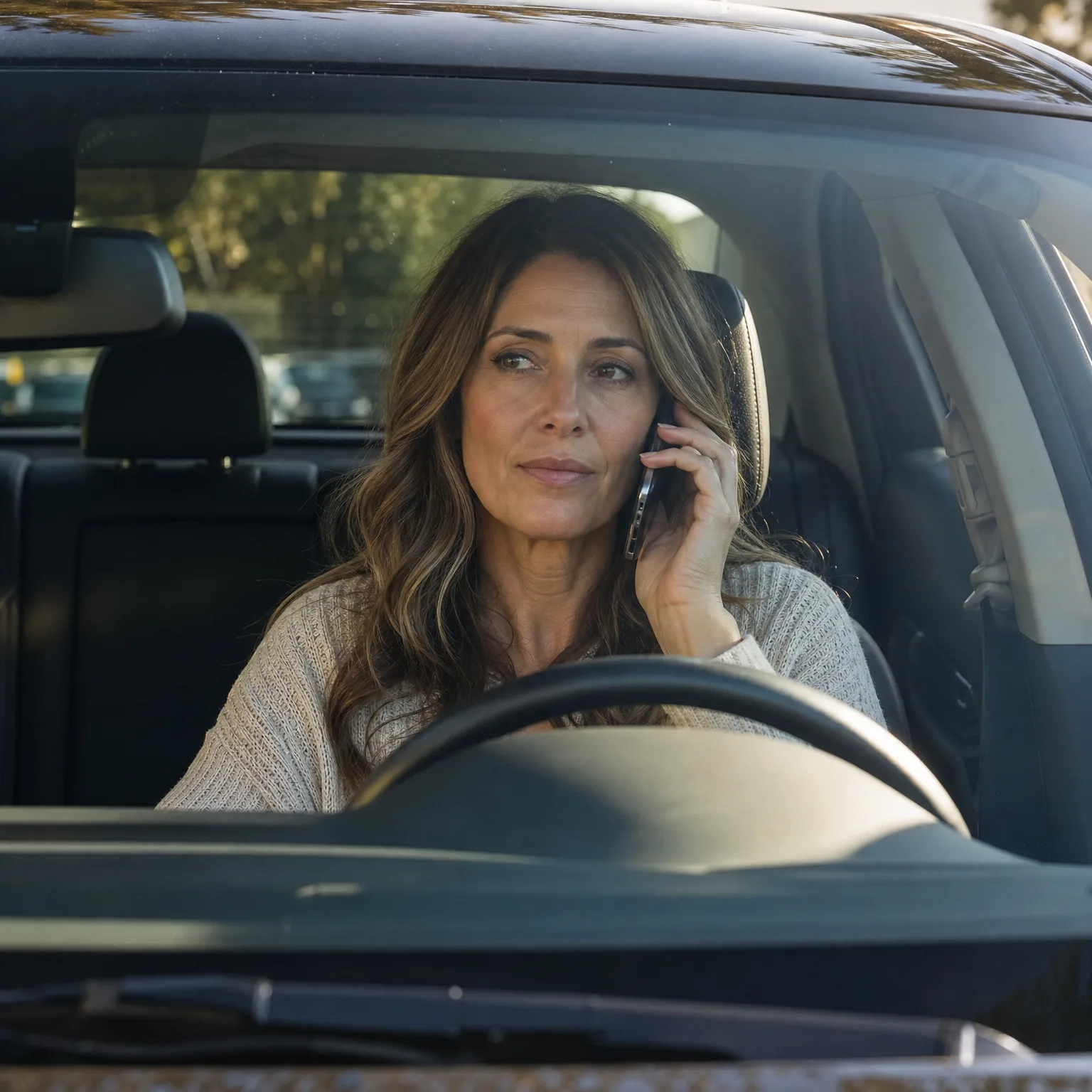
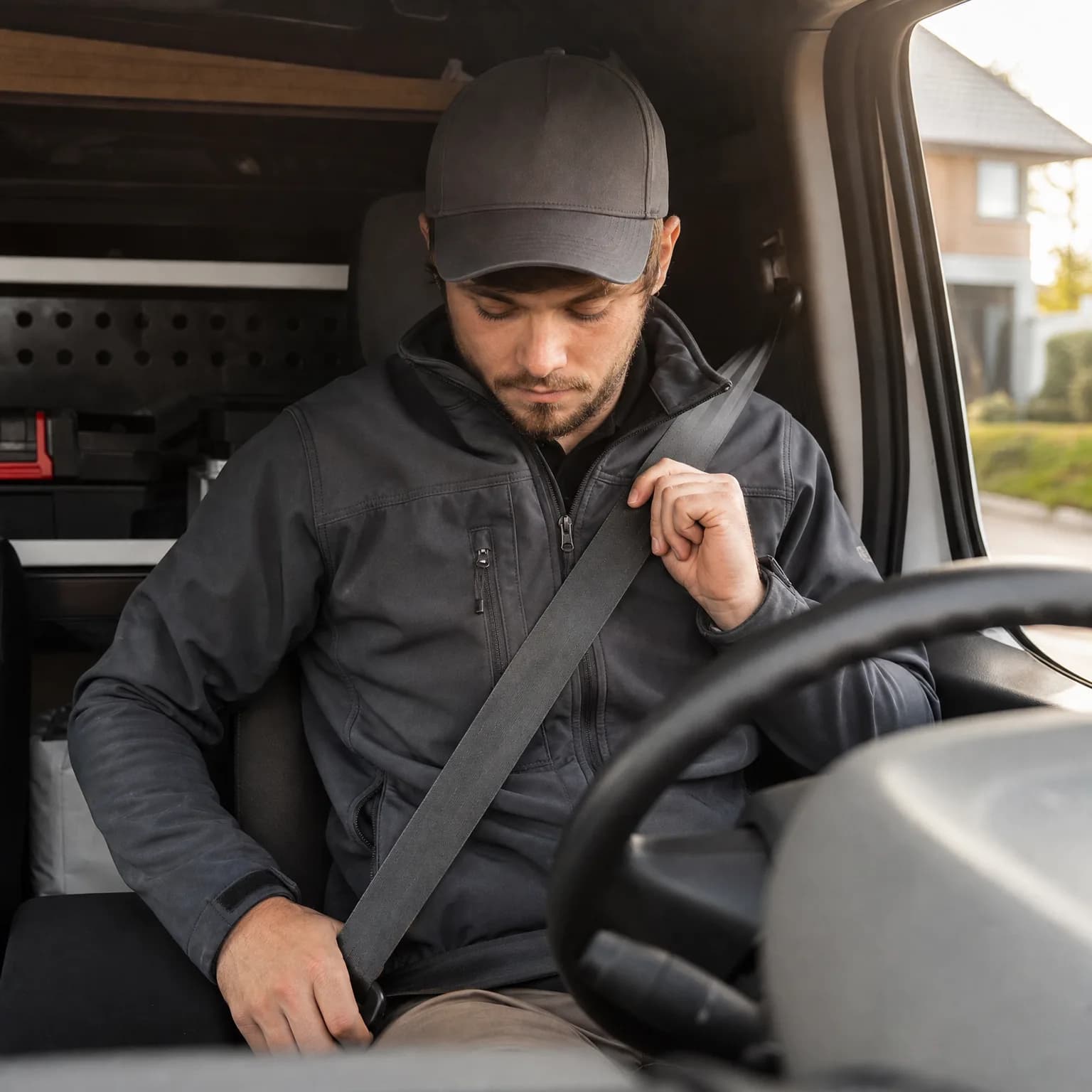
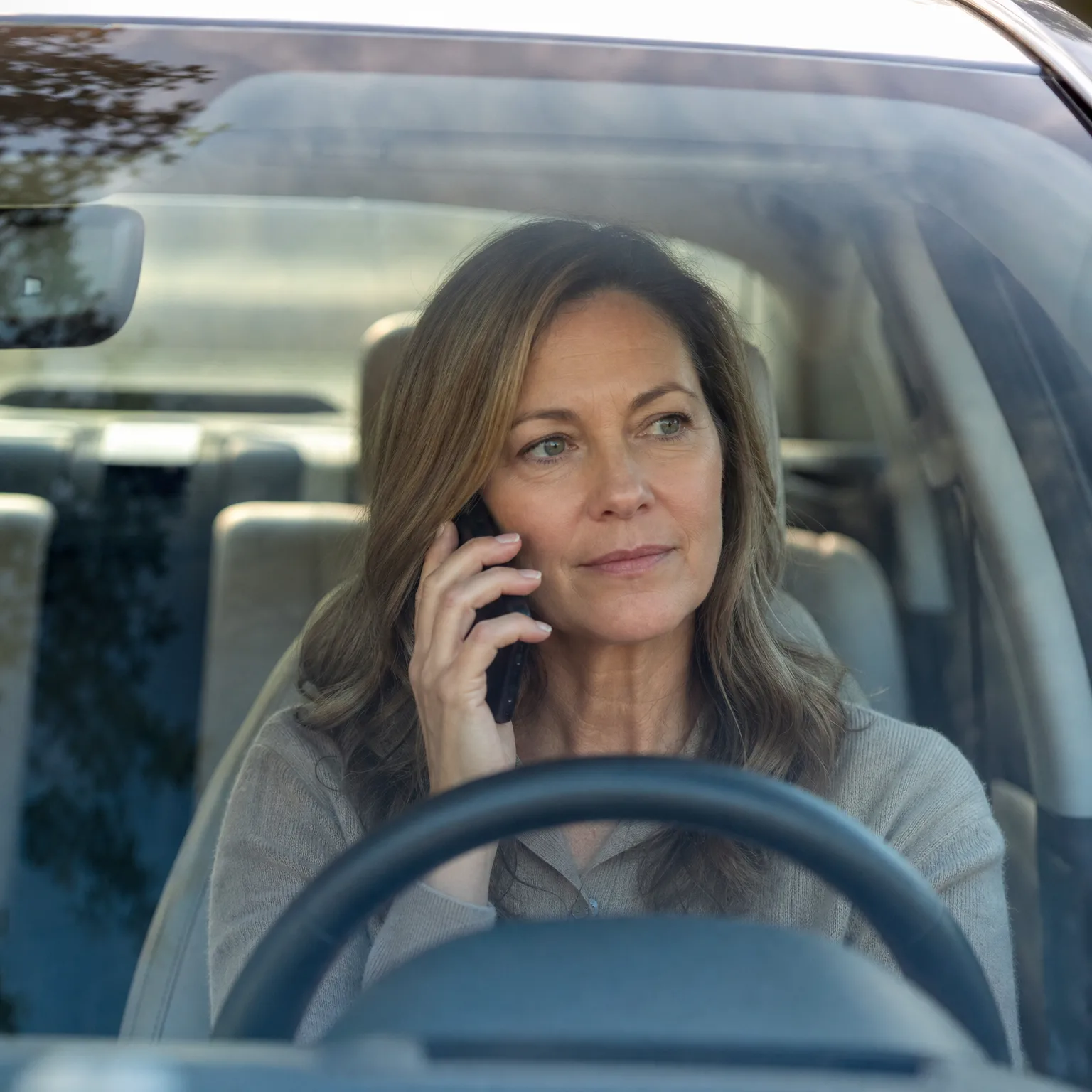
When Borrowed Car Coverage Fails: Three Structural Gaps
Regular use converts you from permissive driver to household driver. If you borrow the same car more than once a week, or if you live with the vehicle owner, most carriers classify you as a regular driver and require the owner to add you as a scheduled driver on their policy. Once you are a household driver, your non-owner policy excludes coverage — non-owner policies explicitly exclude vehicles you use regularly or vehicles garaged at your address. If the owner refuses to add you to their policy or their carrier rejects you due to your driving record, you cannot legally drive that vehicle under either policy. This is a common failure mode for suspended drivers living with family members who own vehicles.
The owner's policy may exclude you by name. If the vehicle owner previously excluded you from their policy to lower their premium, your non-owner policy will not override that exclusion. Named driver exclusions are binding — if you drive the vehicle and cause an accident, neither the owner's policy nor your non-owner policy will cover the loss. You become personally liable for all damages. Illinois law allows named driver exclusions, and carriers enforce them strictly. Before borrowing a car, confirm with the owner that you are not excluded on their policy declaration page.
Uninsured vehicle owners create full exposure. If the person lending you the car does not carry valid insurance, your non-owner policy becomes primary — but it only covers liability, not damage to the borrowed vehicle. If you wreck an uninsured friend's car, your non-owner policy covers injuries and property damage you cause to others, but you are personally liable for the full value of the borrowed vehicle. Illinois suspends vehicle registration for insurance lapses under 625 ILCS 5/3-708, and driving an uninsured vehicle compounds your suspension risk. Never borrow a car without verifying the owner's insurance is active.
3 years
Illinois SR-22 Filing Duration
Illinois requires SR-22 filing for 3 years from the date of reinstatement for most suspension triggers, including DUI convictions and uninsured driving offenses. The 3-year period does not begin until your license is reinstated — time spent suspended does not count. If your policy lapses at any point during the 3-year filing period, the clock resets and you must complete a new 3-year filing period from the date of re-reinstatement.
Illinois Secretary of State SR-22 reinstatement guidelines
What Happens If You Let Your Non-Owner Policy Lapse While Borrowing Cars
Your license suspension reinstates automatically within 10 days of the lapse. Illinois uses an electronic insurance verification system under 625 ILCS 5/7-601 — when your insurer cancels your non-owner SR-22 policy, they notify the Secretary of State electronically. The SOS does not send advance warning or a grace period. Your driving privileges are revoked immediately, and if you are caught driving during the lapse period, you face additional charges under 625 ILCS 5/6-303 for driving while suspended. The penalty includes a minimum $500 fine and potential vehicle impoundment if the suspension is DUI-related.
Reinstatement requires a new SR-22 filing and payment of the $70 base reinstatement fee. If you need a Restricted Driving Permit (RDP) to drive for work or essential purposes during the re-filing period, add an $8 RDP application fee and plan for a formal hearing with the Secretary of State if your original suspension was DUI-related. The hearing process typically takes 30–60 days from application to approval, and there is no guarantee of approval — the hearing officer reviews your compliance history, including prior lapses. Multiple lapses signal non-compliance and reduce the likelihood of RDP approval for future suspensions.
Compare Non-Owner SR-22 Carriers and Lock In Continuous Coverage
Non-owner SR-22 policies cost $35–$65 per month in Illinois for drivers with suspension history, but rates vary significantly by carrier and county. Progressive, GEICO, and Dairyland write non-owner SR-22 policies statewide and offer online quotes. State Farm and Bristol West also write non-owner coverage but may require an agent appointment in some counties. GAINSCO and The General specialize in high-risk drivers and often approve applicants other carriers decline. Rate differences between carriers for the same coverage can exceed $20 per month — comparison shopping before committing to a policy is the only way to confirm you are not overpaying.
Set up automatic payments and verify your policy remains active every 90 days. Most lapse-triggered suspensions happen because drivers miss a payment or change bank accounts without updating billing information. Illinois does not provide a grace period — one missed payment triggers cancellation, and cancellation triggers suspension reinstatement. Check your policy status on your carrier's online portal quarterly, and download proof of SR-22 filing from the Illinois Secretary of State's online Driver Services portal to confirm the SOS has your current filing on record. If your filing does not appear in the SOS system within 10 days of purchasing a new policy, contact your carrier immediately — filing transmission errors are rare but catastrophic if undetected.
Two-Layer Coverage Structure for Borrowed Car Situations
The vehicle owner's policy is primary. When you drive a borrowed car with the owner's permission, their liability, collision, and comprehensive coverage apply first. Illinois law requires all registered vehicles to carry liability insurance meeting the state minimums. If you cause an accident, the owner's liability coverage pays for injuries and property damage up to the policy's limits. If the owner carries collision coverage, it pays for damage to their own vehicle regardless of fault. You are a permissive driver under their policy, meaning you are covered as long as the owner gave you permission to drive and you are not excluded by name on their policy.
Your non-owner SR-22 policy is secondary. It provides excess liability coverage if the owner's policy limits are exhausted, and it satisfies your SR-22 filing requirement with the Illinois Secretary of State. The filing is the policy's primary function — the liability coverage is a required component to maintain the filing. If your non-owner policy lapses, the SOS receives electronic notification from your insurer and your suspension reinstates within 10 days. The lapse is automatic and does not require a hearing. Reinstatement requires filing a new SR-22 policy and paying the $70 reinstatement fee.
Get Your Free Quote
Get My Illinois Suspended License Insurance QuoteFrequently Asked Questions
Can I drive a borrowed car with just the owner's insurance if I have an SR-22 requirement in Illinois?
No. The owner's policy covers the vehicle and you as a permissive driver, but it does not satisfy your individual SR-22 filing obligation with the Illinois Secretary of State. You must carry an active non-owner SR-22 policy to maintain your filing — if your non-owner policy lapses, your license suspension reinstates automatically within 10 days regardless of whether the borrowed car is insured.
Does my non-owner SR-22 policy cover damage to the car I borrow?
No. Non-owner SR-22 policies provide only liability coverage — they pay for injuries and property damage you cause to others, not physical damage to the borrowed vehicle. If you wreck the car, the owner's collision coverage pays for repairs if they carry it, or you are personally liable for the repair cost if they do not.
What happens if I borrow a car from someone who doesn't have insurance in Illinois?
Your non-owner SR-22 policy becomes primary and covers liability for injuries and property damage you cause, but you are personally liable for the full value of the borrowed vehicle if you wreck it. Illinois law prohibits driving uninsured vehicles, and doing so while your license is suspended under SR-22 filing creates compounding legal exposure including additional suspension time and fines.
Can I be excluded from the owner's policy and still drive their car with my non-owner SR-22?
No. If the vehicle owner has excluded you by name on their policy, your non-owner SR-22 policy will not override that exclusion. Named driver exclusions are binding — neither the owner's policy nor your non-owner policy will cover any accident you cause while driving that vehicle. Confirm you are not excluded before borrowing the car.
How much does non-owner SR-22 insurance cost in Illinois for suspended drivers?
Non-owner SR-22 policies typically cost $35–$65 per month in Illinois for drivers with DUI or uninsured driving suspensions. Rates vary by carrier, county, and violation history. Progressive, GEICO, Dairyland, Bristol West, and State Farm write non-owner SR-22 policies statewide; comparison shopping can save $20 or more per month for identical coverage.
If I live with the car owner, does my non-owner SR-22 still cover me when I borrow their car?
Typically no. Most non-owner SR-22 policies exclude vehicles garaged at your address or vehicles you use regularly. If you live with the vehicle owner, their carrier will classify you as a household driver and require the owner to add you as a scheduled driver on their policy. Your non-owner policy will not cover you in that situation.
How long do I need to maintain non-owner SR-22 insurance in Illinois?
Illinois requires SR-22 filing for 3 years from the date of reinstatement for most suspension triggers. The 3-year period does not begin until your license is reinstated — time spent suspended does not count. If your policy lapses at any point during the 3-year period, the clock resets and you must complete a new 3-year filing period from the date of re-reinstatement.