
Non-Owner SR-22 Insurance After a DWI — Illinois
Free to compare
The Non-Owner SR-22 Requirement Nobody Explained
You sold your car after the DWI arrest. You take the bus to work now. Your license is suspended and the Illinois Secretary of State won't reinstate until you file SR-22 proof. The letter says you need insurance—but for what? You don't own a vehicle. The requirement feels like bureaucratic nonsense until you understand what SR-22 actually monitors.
Illinois doesn't care whether you own a car right now. The state cares whether you can prove continuous financial responsibility for the next three years. SR-22 isn't vehicle insurance—it's a certification that an insurer has agreed to cover your liability risk if you drive anything, anywhere. A non-owner policy exists specifically for this structural gap: drivers who must maintain SR-22 filing without owning a vehicle.
“Illinois requires proof you can cover liability if you drive anything—non-owner SR-22 satisfies that requirement even when you own no vehicle.”

Line Up Illinois Coverage Before Reinstatement
Get My Illinois Suspended License Insurance Quote3 years
Illinois SR-22 Filing Period
Illinois requires SR-22 filing for three years following DWI conviction, measured from the conviction date, not the filing date. The clock does not start until both the SR-22 is filed and your license is reinstated. If you let coverage lapse during the three-year window, the state suspends your license again and the clock resets from zero.
625 ILCS 5/7-602 (financial responsibility requirement)
What Non-Owner SR-22 Insurance Actually Covers
A non-owner policy provides liability coverage when you drive a vehicle you don't own: a borrowed car, a rental, or a friend's vehicle. Illinois minimums are $25,000 per person/$50,000 per accident for bodily injury and $20,000 for property damage. The policy covers your legal liability if you cause an accident while driving someone else's vehicle. It does not cover damage to the vehicle you're driving—that's the owner's responsibility through their policy.
The SR-22 certificate attached to the policy notifies the Secretary of State that you're maintaining the required coverage. When you purchase the policy, the insurer files the SR-22 electronically with the state within 24 to 48 hours. The state receives continuous updates: if you cancel the policy or let it lapse, the insurer notifies the Secretary of State immediately and your license is suspended again.
Non-owner policies cost substantially less than standard auto insurance because the insurer isn't covering a specific vehicle. Typical Illinois non-owner SR-22 premiums run $35 to $75 per month depending on your driving record, age, and the severity of the DWI conviction. DWI with refusal or aggravating factors (injury, property damage, high BAC) push premiums toward the upper end of that range.
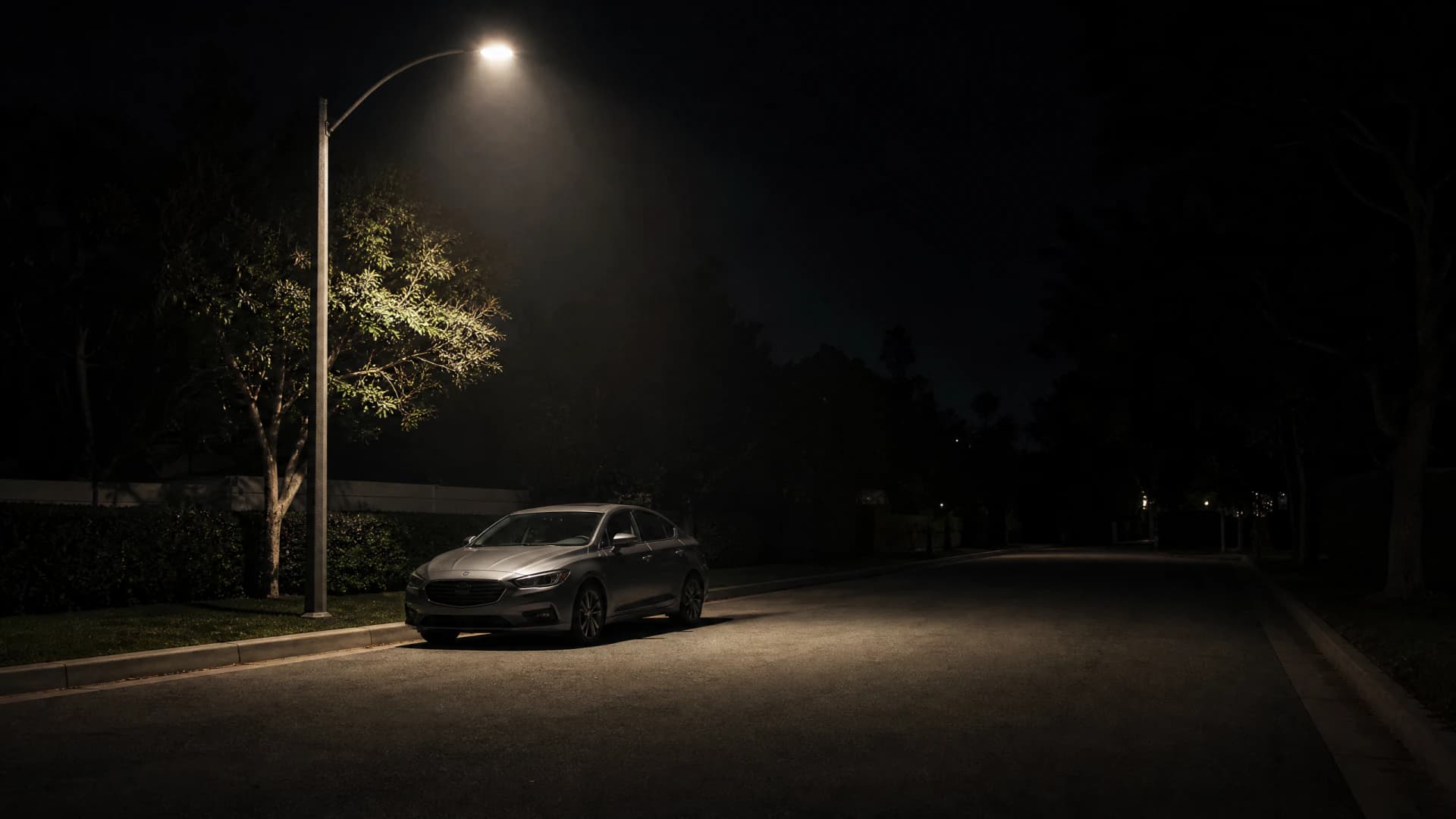
The state doesn't care that you sold your car. Illinois requires proof you can cover liability if you drive anything—period. Non-owner SR-22 satisfies that requirement.
The Secretary of State Reinstatement Process
Illinois distinguishes between suspension and revocation. DWI convictions trigger revocation—your license is canceled, not temporarily removed. Reinstatement after revocation requires a formal or informal hearing before a Secretary of State hearing officer. First-offense DWI drivers typically qualify for an informal hearing, which is a walk-in appointment at a Secretary of State Driver Services facility. Multiple DWI offenses require a formal hearing, which is a scheduled proceeding with witness testimony and documentary evidence.
You cannot schedule a reinstatement hearing until your statutory revocation period has ended. First-offense DWI revocation lasts one year; second offense lasts five years. The revocation clock runs from the date of conviction, not arrest. During the statutory revocation period, you may apply for a Restricted Driving Permit (RDP) to drive for work, medical appointments, education, or alcohol treatment—but only if you install a Breath Alcohol Ignition Interlock Device (BAIID) in any vehicle you drive. The RDP is not full reinstatement; it's limited permission while your license remains revoked.
Before the reinstatement hearing, you must file proof of SR-22 insurance. The Secretary of State will not schedule or conduct a hearing without proof that an SR-22 is active and on file. If you're applying for an RDP during the revocation period, SR-22 filing is required before the RDP is issued. Non-owner SR-22 satisfies this requirement whether you're pursuing RDP or full reinstatement. The $500 reinstatement fee (first offense) or $1,000 fee (subsequent offense) is separate from the SR-22 insurance premium—you pay both.
$500
Illinois DWI Reinstatement Fee
First DWI revocation reinstatement costs $500 paid to the Secretary of State; second or subsequent revocation costs $1,000. This fee is separate from the $8 RDP application fee if applying for a restricted permit during revocation. Neither fee includes the cost of SR-22 insurance, BAIID installation and monitoring, or required alcohol evaluation and treatment.
Illinois Secretary of State fee schedule
What Happens If You Let Non-Owner Coverage Lapse
Illinois requires continuous SR-22 coverage for the full three-year filing period. If you cancel the policy or miss a premium payment, the insurer notifies the Secretary of State electronically within 24 hours. The state issues an automatic suspension notice. Your driving privileges are revoked again—even if you've completed the original revocation period and paid the reinstatement fee. The three-year SR-22 clock resets to zero. You start over.
Reinstatement after an SR-22 lapse requires filing a new SR-22, paying another reinstatement fee, and in some cases attending another Secretary of State hearing. The state treats lapse-triggered suspension as seriously as the original DWI revocation. The financial cost of letting a $50 monthly premium lapse is a $500 reinstatement fee plus three more years of SR-22 filing. Set up automatic payment. The consequence of forgetting a due date is severe and disproportionate.
When You Can Drop Non-Owner SR-22 Coverage
You must maintain SR-22 filing for three years from the date your license was reinstated. If you were revoked for one year and then reinstated, the three-year SR-22 clock starts on reinstatement day—not conviction day. Total time under state monitoring is four years: one year revoked plus three years SR-22 post-reinstatement. If you obtained an RDP during revocation, the SR-22 clock still doesn't start until full reinstatement occurs.
After three years of continuous filing, the requirement ends automatically. The state does not send a notification telling you the SR-22 period is over—you track the calendar yourself. Once the three-year anniversary of reinstatement passes, you can contact your insurer and request they cancel the SR-22 filing. If you want to keep the non-owner policy without the SR-22 certificate attached, most carriers will convert it to a standard non-owner policy at a lower premium. If you've purchased a vehicle by that point, you'll need standard auto insurance; the non-owner policy terminates when you title a car in your name. Compare rates at least 60 days before the three-year mark. Non-SR-22 standard policies are cheaper, and moving to a preferred-tier carrier becomes possible once the SR-22 requirement lifts.
Who Writes Non-Owner SR-22 Policies in Illinois
Dairyland, Progressive, GAINSCO, The General, and USAA write non-owner SR-22 policies in Illinois. Dairyland and The General specialize in high-risk filings and consistently quote non-owner coverage for DWI drivers statewide. Progressive writes non-owner policies but underwriting is stricter after DWI—approval depends on how recent the conviction is and whether there were aggravating factors. USAA writes non-owner SR-22 but only for military members and their families. GAINSCO covers non-owner SR-22 but availability is concentrated in Cook, DuPage, and Will counties.
State Farm files SR-22 certificates in Illinois but does not write non-owner policies—if you already have a State Farm policy on a vehicle you own, they'll attach the SR-22, but they won't issue a standalone non-owner policy for drivers without vehicles. Geico writes non-owner policies in Illinois but explicitly excludes drivers with DWI convictions in the past five years. Bristol West and Acceptance write SR-22 policies but require vehicle ownership—they don't offer non-owner products. If the first carrier you call says no, try the next. Availability is carrier-specific, not state-mandated.
Get Your Free Quote
Get My Illinois Suspended License Insurance QuoteFrequently Asked Questions
Do I need non-owner SR-22 insurance in Illinois if I never plan to drive?
Yes, if the Secretary of State has ordered SR-22 filing as a condition of reinstatement. The requirement isn't about whether you plan to drive—it's about proving financial responsibility before the state restores your license. Without SR-22 on file, reinstatement is denied.
Can I get a Restricted Driving Permit in Illinois without SR-22 insurance?
No. Illinois requires active SR-22 filing before issuing a Restricted Driving Permit (RDP) after DWI revocation. You must purchase non-owner SR-22 coverage, wait for the insurer to file the certificate with the Secretary of State, and then apply for the RDP with proof the SR-22 is active.
How much does non-owner SR-22 insurance cost in Illinois after a DWI?
Typical monthly premiums run $35 to $75 depending on the severity of the DWI, your age, and county. First-offense DWI with no aggravating factors falls toward the lower end; refusal or injury cases push premiums higher. Annual cost is approximately $420 to $900.
What happens if I buy a car while I have non-owner SR-22 insurance in Illinois?
Your non-owner policy terminates the moment you title a vehicle in your name. You must immediately purchase standard auto insurance with SR-22 attached. The three-year SR-22 filing requirement continues—it transfers to the new policy. Notify your insurer before purchasing the vehicle to avoid a lapse.
Can I cancel non-owner SR-22 insurance if I move out of Illinois?
Not if Illinois issued the SR-22 filing order. You must maintain Illinois SR-22 filing for the full three-year period even if you move to another state. Purchase non-owner SR-22 coverage in your new state and ensure the insurer files with the Illinois Secretary of State, not your new state's DMV.
Does Illinois require non-owner SR-22 for suspended licenses that aren't DWI-related?
Not always. DWI, reckless driving, and uninsured driving suspensions typically trigger SR-22 requirements. Suspensions for unpaid tickets, child support arrears, or failure to appear rarely require SR-22. Check your suspension notice or contact the Secretary of State to confirm whether SR-22 is a condition of reinstatement for your specific case.