
Most Affordable SR-22 Insurance — Illinois
Free to compare
Why Your SR-22 Quote Is Higher Than Expected
You called three carriers for SR-22 quotes in Illinois and the lowest came back at $185/month. You read online that suspended-license drivers in Illinois typically pay $120–$140/month. The disconnect is real: most SR-22 rate guides cite statewide averages that smooth over the county-level carrier availability gaps that control your actual premium floor.
Illinois suspended-license insurance operates in a tiered market. Preferred carriers like State Farm and USAA write SR-22 policies but reserve capacity for drivers with single violations and clean prior history. Non-standard carriers like Dairyland, The General, and Bristol West write higher-risk profiles but set rates 30–60% higher than standard tier. The cheapest carrier available to you depends on which tier your violation history and county ZIP unlock.
“The gap between the most expensive and most affordable SR-22 carriers in the same Illinois county can exceed $90/month for identical violation profiles.”

Line Up Illinois Coverage Before Reinstatement
Get My Illinois Suspended License Insurance Quote$90/month
Illinois SR-22 Carrier Spread
The premium difference between the most expensive and most affordable SR-22 carrier writing the same Illinois county can exceed $90/month for drivers with identical violation profiles. Carrier tier and county-level underwriting appetite drive this gap, not your driving record alone.
Illinois SR-22 Carrier Tiers and County Availability
Illinois SR-22 coverage flows through three carrier tiers, each with distinct underwriting criteria and geographic footprints. Preferred carriers like State Farm and USAA offer SR-22 filing at $105–$130/month but restrict eligibility to first-time DUI or single major violations with no lapses in the prior 36 months. Standard carriers like Geico and Progressive quote $130–$165/month and accept most suspension triggers but may decline multi-violation profiles or out-of-state suspensions.
Non-standard carriers including Dairyland, The General, Bristol West, GAINSCO, and Acceptance write the profiles preferred and standard tiers decline: multiple DUIs, suspended license combined with lapsed coverage, or suspensions stacked across multiple states. Monthly premiums in this tier run $165–$210/month. The catch: not all non-standard carriers write every Illinois county. Bristol West underwrites Cook, DuPage, and Lake counties but refers applications from rural southern Illinois ZIPs to partners. GAINSCO covers Metro East but has limited presence in northern collar counties.
Your SR-22 premium floor is set by the lowest-tier carrier writing your county and willing to bind your specific violation profile. A first-offense DUI driver in Naperville with no lapses qualifies for State Farm at $115/month. The same driver in Marion may find State Farm unavailable locally and land with Dairyland at $175/month, even though the violation profile is identical.

The carrier that quotes you the lowest rate must also write your county ZIP and file SR-22 with the Illinois Secretary of State within your reinstatement deadline.



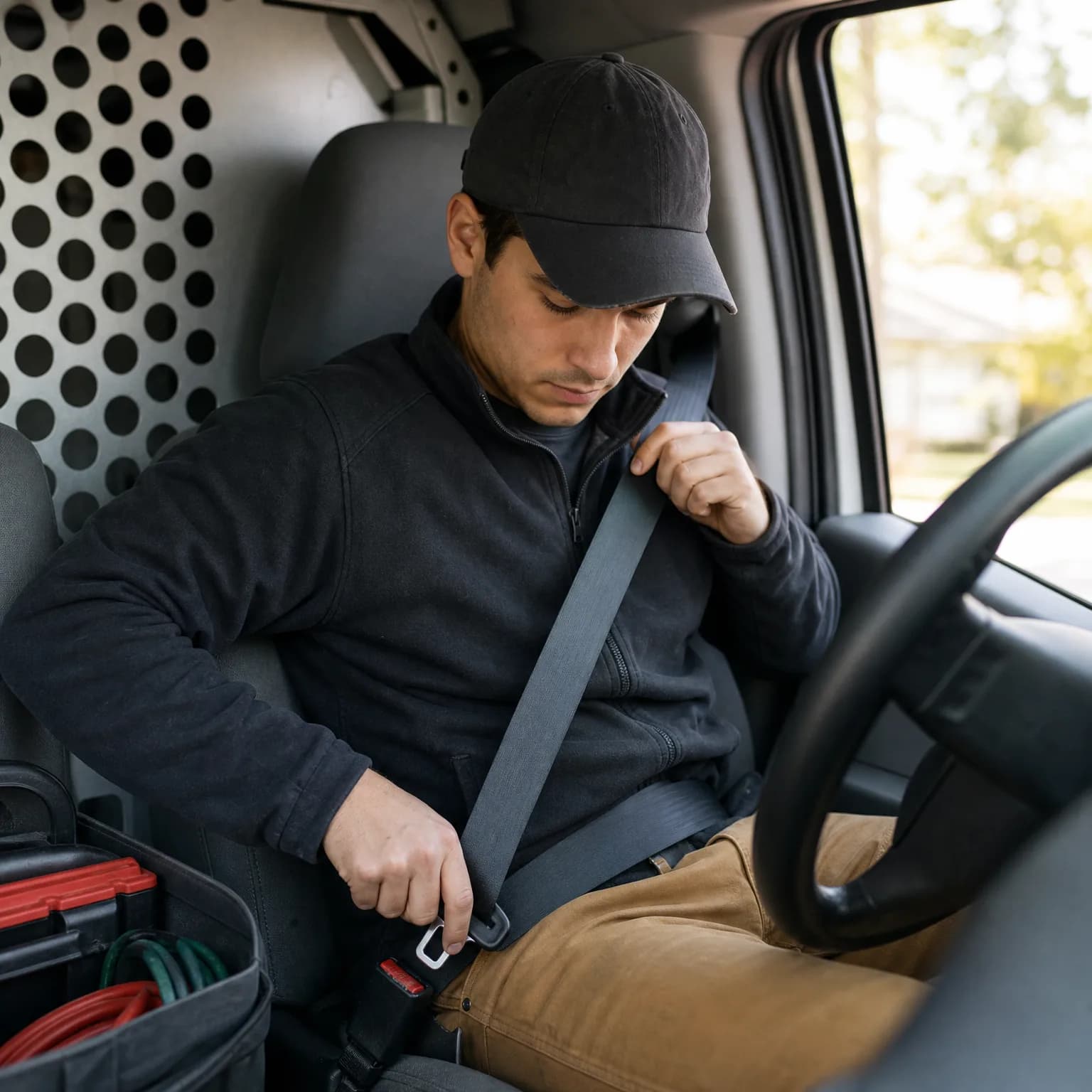



Non-Owner SR-22 for Suspended Drivers Without a Vehicle
Suspended-license drivers who sold their vehicle during suspension or never owned one still face Illinois SR-22 filing requirements to reinstate. Non-owner SR-22 policies satisfy the state's proof-of-financial-responsibility mandate without insuring a specific vehicle. Monthly premiums for non-owner SR-22 run $45–$85/month in Illinois, roughly 40–50% below standard owner-operator SR-22 rates.
Non-owner policies cover liability only: bodily injury and property damage when you drive a borrowed or rented vehicle. They do not cover collision or comprehensive losses, and they do not extend coverage to vehicles you own or regularly use. Carriers writing non-owner SR-22 in Illinois include Dairyland, The General, Progressive, Geico, and USAA. State Farm writes non-owner policies but restricts SR-22 filing on non-owner forms to specific violation profiles.
If you plan to purchase a vehicle after reinstatement, convert the non-owner policy to a standard auto policy before taking possession of the car. Driving a newly purchased vehicle on a non-owner policy for even one day creates a coverage gap that can trigger a new suspension for uninsured operation. Most carriers allow same-day conversion by adding the vehicle to the existing policy and upgrading coverage to include collision and comprehensive as needed.
3 years
Illinois SR-22 Filing Period
Illinois requires continuous SR-22 filing for three years following license reinstatement for most suspension triggers, including DUI, uninsured operation, and excessive points. The three-year clock starts on your reinstatement date, not your suspension date. Any lapse in coverage during this period triggers automatic re-suspension and restarts the three-year requirement.
Illinois Secretary of State, Safety and Financial Responsibility Division

Reinstatement Fees and SR-22 Filing Coordination
Illinois suspended-license reinstatement requires payment of a $500 reinstatement fee for first DUI-related suspensions and a $70 base fee for most non-DUI suspensions, plus proof of SR-22 filing on record with the Secretary of State. The SR-22 must be filed and active before the Secretary of State processes your reinstatement application. Carriers typically file SR-22 certificates electronically within 1–3 business days of policy binding, but manual processing can extend to 7–10 days.
Coordinate your SR-22 policy effective date with your planned reinstatement application. If your suspension ends April 15 and you apply for reinstatement that day, your SR-22 filing must already be on record with the Secretary of State or your application will be rejected and you will need to reapply. Bind your SR-22 policy at least five business days before your reinstatement deadline to ensure the filing reaches the state system before you submit paperwork.
What to Do Right Now
Request quotes from carriers in all three tiers that write your Illinois county: one preferred carrier like State Farm or USAA, one standard carrier like Geico or Progressive, and two non-standard carriers like Dairyland and The General. Provide your exact suspension trigger, county ZIP, and reinstatement deadline. Compare monthly premiums, filing timelines, and county availability. Bind coverage with the lowest-cost carrier that can file SR-22 electronically and meet your reinstatement deadline. If you do not own a vehicle, request non-owner SR-22 quotes specifically — these policies run $45–$85/month and satisfy Illinois filing requirements without insuring a car you do not have.
How to Identify the Lowest-Cost SR-22 Carrier in Your County
Start by requesting quotes from at least one carrier in each tier: a preferred carrier like State Farm or USAA, a standard carrier like Geico or Progressive, and a non-standard carrier like Dairyland, The General, or Bristol West. Provide your exact violation trigger, suspension start date, and county ZIP. Carriers price SR-22 policies using violation-specific underwriting models, and quoting across tiers reveals which tier your profile unlocks. If a preferred carrier declines to quote or returns a rate above $150/month, your profile likely falls outside their underwriting appetite and non-standard carriers will deliver your lowest premium.
Verify that each quoting carrier writes your county and can file SR-22 electronically with the Illinois Secretary of State. Some carriers limit SR-22 business to specific Illinois regions or require manual paper filing that adds 5–10 business days to processing. Your reinstatement deadline sets the ceiling for acceptable filing lag. If your suspension lifts in 15 days and a carrier quotes $105/month but requires 12-day manual filing, a carrier quoting $125/month with same-day electronic filing delivers better functional value.
Get Your Free Quote
Get My Illinois Suspended License Insurance QuoteFrequently Asked Questions
What is the cheapest SR-22 insurance in Illinois?
The cheapest SR-22 insurance in Illinois depends on your county and violation profile. Preferred carriers like State Farm quote $105–$130/month for first-time violations, while non-standard carriers like Dairyland and The General quote $165–$210/month for multi-violation profiles. Non-owner SR-22 policies run $45–$85/month for drivers without a vehicle.
How much does SR-22 filing cost in Illinois?
Illinois SR-22 filing itself typically costs $25–$50 as a one-time carrier processing fee. The premium increase from adding SR-22 to your policy ranges from $40–$120/month depending on your violation trigger and carrier tier. Total monthly cost including base liability coverage runs $105–$210/month for most suspended-license drivers.
Can I get SR-22 insurance without owning a car in Illinois?
Yes. Non-owner SR-22 policies satisfy Illinois filing requirements for suspended-license drivers who do not own a vehicle. Monthly premiums run $45–$85/month and cover liability when you drive borrowed or rented vehicles. Carriers writing non-owner SR-22 in Illinois include Dairyland, The General, Progressive, Geico, and USAA.
How long do I need SR-22 insurance in Illinois?
Illinois requires continuous SR-22 filing for three years after license reinstatement for most suspension triggers, including DUI, uninsured operation, and excessive points. The three-year period starts on your reinstatement date. Any coverage lapse during this period triggers automatic re-suspension and restarts the three-year clock.
What happens if my SR-22 insurance lapses in Illinois?
Any lapse in SR-22 coverage during the required three-year filing period triggers automatic license re-suspension by the Illinois Secretary of State. You must obtain new SR-22 coverage, pay a $70 reinstatement fee, and restart the full three-year SR-22 requirement from the new reinstatement date.
Do all insurance carriers offer SR-22 in Illinois?
No. Preferred carriers like State Farm and USAA write SR-22 but restrict eligibility to first-time violations. Standard carriers like Geico and Progressive accept most suspension triggers. Non-standard carriers including Dairyland, The General, Bristol West, GAINSCO, and Acceptance write higher-risk profiles but do not operate in all Illinois counties.