
Non-Owner SR-22 Cost Per Month — Illinois
Free to compare
You Need SR-22 Filing Without Owning a Car
Your Illinois license was suspended for uninsured driving or DUI. The Secretary of State's reinstatement letter lists SR-22 filing as mandatory. You sold your car during the suspension period or never owned one. Standard auto insurance requires a vehicle to insure — but SR-22 is a liability certification, not vehicle coverage. The two are separate products.
Non-owner SR-22 policies exist specifically for suspended drivers without vehicles. They provide the state-mandated liability coverage and SR-22 filing the Secretary of State requires, without insuring a car you don't have. Most carriers writing SR-22 in Illinois offer non-owner versions — Geico, Progressive, Dairyland, The General, GAINSCO, and USAA all write them. The confusion comes from conflating vehicle insurance with driver liability certification.
“Non-owner SR-22 costs 40-60% less than standard coverage because it carries no vehicle-related protection — only state-mandated liability minimums.”

Line Up Illinois Coverage Before Reinstatement
Get My Illinois Suspended License Insurance Quote$35–$75/mo
Illinois Non-Owner SR-22 Premium
Non-owner policies cost 40-60% less than standard SR-22 auto insurance because they carry no collision, comprehensive, or vehicle-related coverage — only the state-mandated liability minimums of $25,000 per person, $50,000 per accident, and $20,000 property damage. Estimates based on available industry data; individual rates vary by driving history and violation type.
Non-Owner SR-22 Covers Driver Liability Only
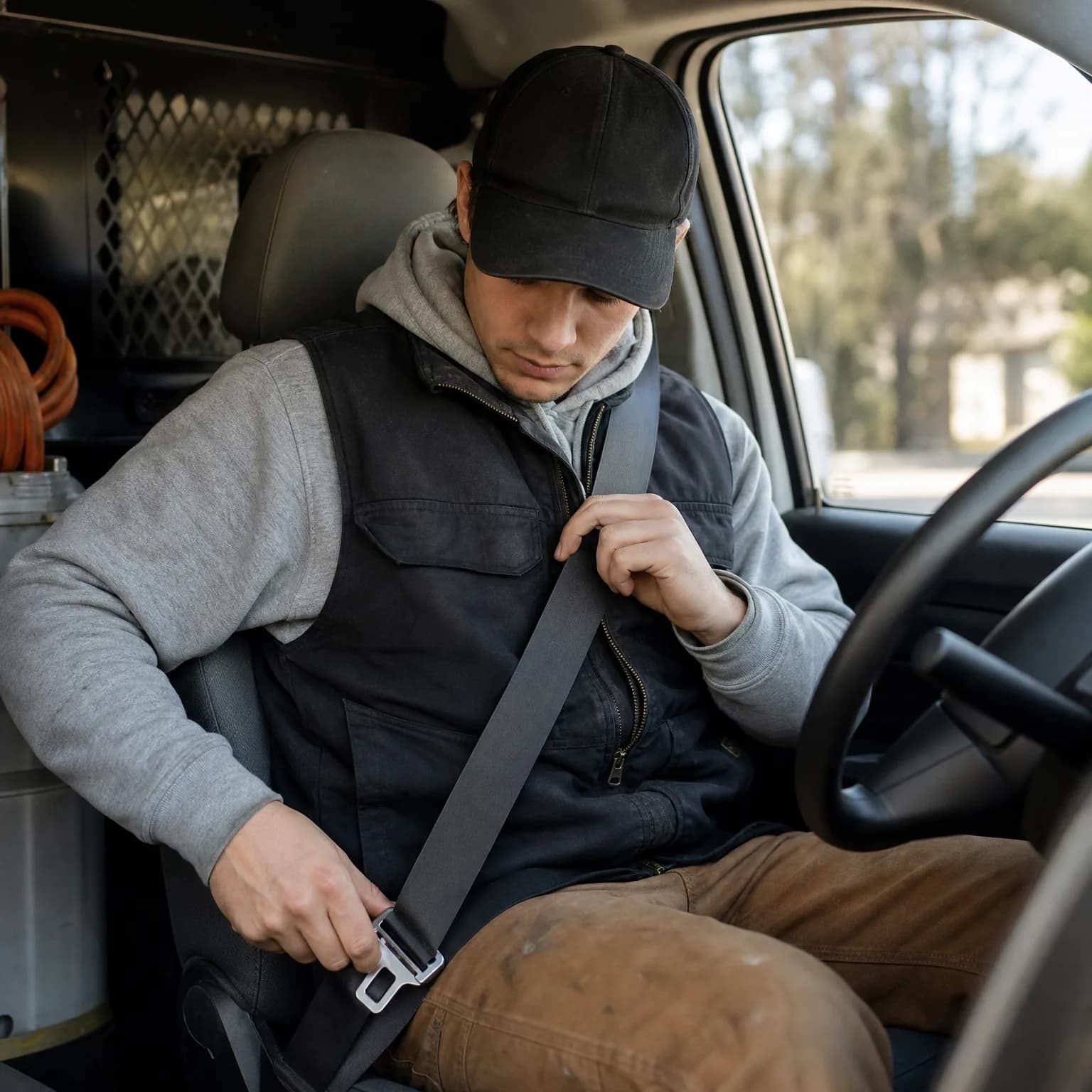
A non-owner SR-22 policy provides liability coverage when you drive a vehicle you don't own: borrowed cars, rental vehicles, employer-owned trucks. It does not cover damage to the vehicle you're driving. It covers injury and property damage you cause to other people. The SR-22 certificate attached to the policy proves to the Illinois Secretary of State that you maintain continuous liability coverage.
The policy remains active for the full three-year SR-22 filing period Illinois requires post-reinstatement. If you later purchase a vehicle during that period, you must convert to a standard SR-22 auto policy — non-owner policies do not cover vehicles titled in your name. The carrier files an SR-26 cancellation notice with the Secretary of State when you cancel, triggering immediate re-suspension. Continuous coverage means no lapses, no payment gaps, no policy switches without pre-filing the replacement.
Illinois does not require you to own a vehicle to reinstate your license. The Secretary of State requires proof of financial responsibility via SR-22 filing. Non-owner policies satisfy that requirement at a fraction of the cost of insuring a vehicle you don't have.
The Secretary of State does not distinguish between standard and non-owner SR-22 filings — both satisfy the three-year continuous coverage mandate for reinstatement.

Illinois Non-Owner SR-22 Premium Factors
Non-owner SR-22 premiums vary by violation type, age, and credit tier. DUI-triggered SR-22 filing costs more than uninsured-driving SR-22 because DUI convictions place you in the highest-risk underwriting tier. Drivers under 25 pay 30-50% more than drivers over 30 for identical violation histories. Poor credit scores add another 20-40% to base premiums in counties where credit-based insurance scoring is permitted.
Cook County non-owner premiums run higher than downstate rates due to higher uninsured motorist claim frequency and population density. Carriers writing non-standard SR-22 business — Dairyland, The General, Bristol West, GAINSCO — typically offer lower non-owner premiums than preferred-tier carriers like State Farm or USAA because they specialize in high-risk driver segments. Payment plan structure affects monthly cost: paying in full saves 10-15% compared to monthly installment billing.
Multiple violations stack. A DUI plus a prior uninsured-driving suspension within three years pushes you into the highest-cost tier regardless of age or credit. Some carriers decline to write non-owner policies for drivers with more than two violations in 36 months — rate variance between accepting carriers can exceed 100% for the same driver profile.
3 years
Illinois SR-22 Filing Period
Illinois requires SR-22 filing for three years from the reinstatement date for DUI convictions and most insurance-related suspensions, measured from when the Secretary of State reinstates your license — not from the violation date or suspension start. Missing a single premium payment during that window triggers SR-26 cancellation notice and immediate re-suspension.
Illinois Secretary of State Safety and Financial Responsibility Division
Carriers Writing Non-Owner SR-22 in Illinois
Geico, Progressive, Dairyland, The General, GAINSCO, and USAA all write non-owner SR-22 policies statewide in Illinois. Dairyland and The General specialize in non-standard high-risk business and typically quote the lowest premiums for DUI and multiple-violation drivers. Progressive and Geico offer competitive rates for first-time uninsured-driving suspensions with otherwise clean records. USAA restricts eligibility to military members and their families but offers the lowest rates in that segment.
Not all carriers writing standard SR-22 auto insurance offer non-owner versions. State Farm writes SR-22 in Illinois but does not offer non-owner policies through most agents. Bristol West and GAINSCO write non-owner SR-22 but require broker placement rather than direct online quoting. Acceptance Insurance writes SR-22 and non-owner policies but exited Illinois in mid-2024 — existing policyholders were transferred to alternative carriers within the same underwriting group.
File SR-22 Before Applying for Reinstatement
The Secretary of State will not process your reinstatement application until SR-22 proof of financial responsibility appears in their system. Carriers file electronically within 24-48 hours of binding coverage, but processing delays at the Secretary of State can add 3-5 business days before the filing shows as received. Purchase your non-owner SR-22 policy at least one week before your scheduled reinstatement hearing or application submission to avoid processing-window denials.
Compare non-owner SR-22 quotes from at least three carriers writing this product in Illinois. Premium variance for identical coverage and violation history routinely exceeds $40/mo between the highest and lowest quotes. Online comparison tools filter for carriers writing non-owner SR-22 specifically — standard auto insurance quote engines exclude non-owner options by default and return misleading results for drivers without vehicles.
What Non-Owner SR-22 Policies Do Not Cover
Non-owner SR-22 does not cover vehicles you own, lease, or have regular access to — the policy explicitly excludes titled vehicles and household cars. It does not cover collision damage to borrowed vehicles, rental car damage beyond liability, or comprehensive losses like theft or weather damage. Medical payments coverage for your own injuries is typically excluded or available only as a minimal add-on. The policy assumes you drive occasionally, not daily — frequent use of a specific borrowed vehicle may trigger coverage disputes.
If you live with someone who owns a vehicle and you drive it regularly, you must be added to their policy as a named driver rather than relying on non-owner coverage. Insurance fraud investigations in Illinois frequently involve non-owner policyholders misrepresenting regular access to household vehicles. The Secretary of State does not care which policy type you carry — but your carrier will deny claims if you misrepresent vehicle access during underwriting.
Get Your Free Quote
Get My Illinois Suspended License Insurance QuoteFrequently Asked Questions
Can I get non-owner SR-22 insurance if I live with someone who owns a car?
Yes, but only if you do not drive that household vehicle regularly. Non-owner policies exclude vehicles you have regular access to. If you drive a household member's car frequently, you must be added to their policy as a named driver rather than carrying separate non-owner coverage. Misrepresenting vehicle access during underwriting is insurance fraud and will result in claim denials.
How long does it take for SR-22 filing to show up in the Illinois Secretary of State system?
Carriers file SR-22 certificates electronically within 24-48 hours of binding coverage. The Secretary of State typically processes filings within 3-5 business days. Purchase your policy at least one week before your reinstatement application or hearing to avoid processing delays. You can verify filing status by calling the Secretary of State Safety and Financial Responsibility Division.
What happens if I miss a payment on my non-owner SR-22 policy?
Your carrier files an SR-26 cancellation notice with the Illinois Secretary of State immediately upon policy lapse. The Secretary of State re-suspends your license the day the SR-26 is processed. You must purchase a new SR-22 policy, pay the $70 reinstatement fee again, and restart the three-year filing period from the new reinstatement date. Late payment grace periods do not prevent SR-26 filing.
Do I need non-owner SR-22 if I only drive rental cars occasionally?
If the Secretary of State requires SR-22 filing for reinstatement, you must maintain it regardless of how often you drive. Illinois does not exempt occasional drivers from the three-year continuous coverage mandate. Non-owner SR-22 satisfies the requirement and provides liability coverage when you do rent vehicles. Driving without active SR-22 on file results in immediate suspension.
Can I switch from non-owner SR-22 to standard SR-22 if I buy a car later?
Yes. Contact your carrier to convert your non-owner policy to a standard auto policy before taking possession of the vehicle. The carrier files an updated SR-22 certificate reflecting the new policy. Do not cancel your non-owner policy before binding the replacement — any coverage gap triggers SR-26 cancellation notice and re-suspension. The three-year SR-22 filing period continues uninterrupted through the conversion.