
First DUI Insurance Rate Impact — Illinois
Free to compare
What Happens to Your Insurance the Day of Conviction
Your insurance premium does not change the moment you are convicted of your first DUI in Illinois. The rate increase comes when your current carrier receives notification of the conviction from the Illinois Secretary of State and decides whether to renew your policy. Most standard-tier carriers exit at DUI conviction — State Farm, Allstate, and Progressive typically non-renew rather than re-rate. You are not fighting a rate increase with your current insurer; you are being forced into a different insurance market entirely.
The conviction triggers three simultaneous obligations: a mandatory SR-22 filing for three years, a minimum 12-month license revocation, and immediate reclassification as a high-risk driver. Your current carrier will send a non-renewal notice 30–60 days before your policy expires. You have that window to find a non-standard carrier willing to file SR-22 on your behalf. If your policy lapses without replacement coverage in place, the Secretary of State extends your suspension and you start the three-year SR-22 clock over when you eventually file.
“Most standard-tier carriers exit at DUI conviction rather than re-rating, forcing you into a non-standard market with baseline rates already 40–60% higher.”

Line Up Illinois Coverage Before Reinstatement
Get My Illinois Suspended License Insurance Quote$500
Illinois DUI Reinstatement Fee
This is the administrative fee the Secretary of State charges to process your license reinstatement after the mandatory revocation period ends. It is separate from SR-22 filing fees, insurance premiums, court fines, and any ignition interlock device costs. Second or subsequent DUI revocations carry a $1,000 reinstatement fee.
Illinois Secretary of State fee schedule
The SR-22 Filing Requirement and What It Actually Costs
Illinois requires continuous SR-22 filing for three years following DUI conviction. SR-22 is not insurance — it is a certificate your insurer files with the Secretary of State proving you carry at least the state minimum liability coverage: $25,000 per person for bodily injury, $50,000 per accident, and $20,000 for property damage. Most carriers charge a one-time filing fee of $15–$50 to submit the SR-22 form. The ongoing cost is the premium itself, which rises because you must now buy from the non-standard carrier pool.
If your policy lapses at any point during the three-year SR-22 period, your insurer is required to notify the Secretary of State within 10 days. The state suspends your driving privileges immediately and restarts the three-year filing requirement from zero when you refile. There is no grace period. A single missed payment that causes a lapse can add 36 months to your total SR-22 obligation.
The three-year SR-22 period begins the day your insurer files the certificate with the state, not the day of conviction. If you delay finding coverage, you delay the start of the clock. The sooner you secure a policy and file SR-22, the sooner the three-year countdown begins.
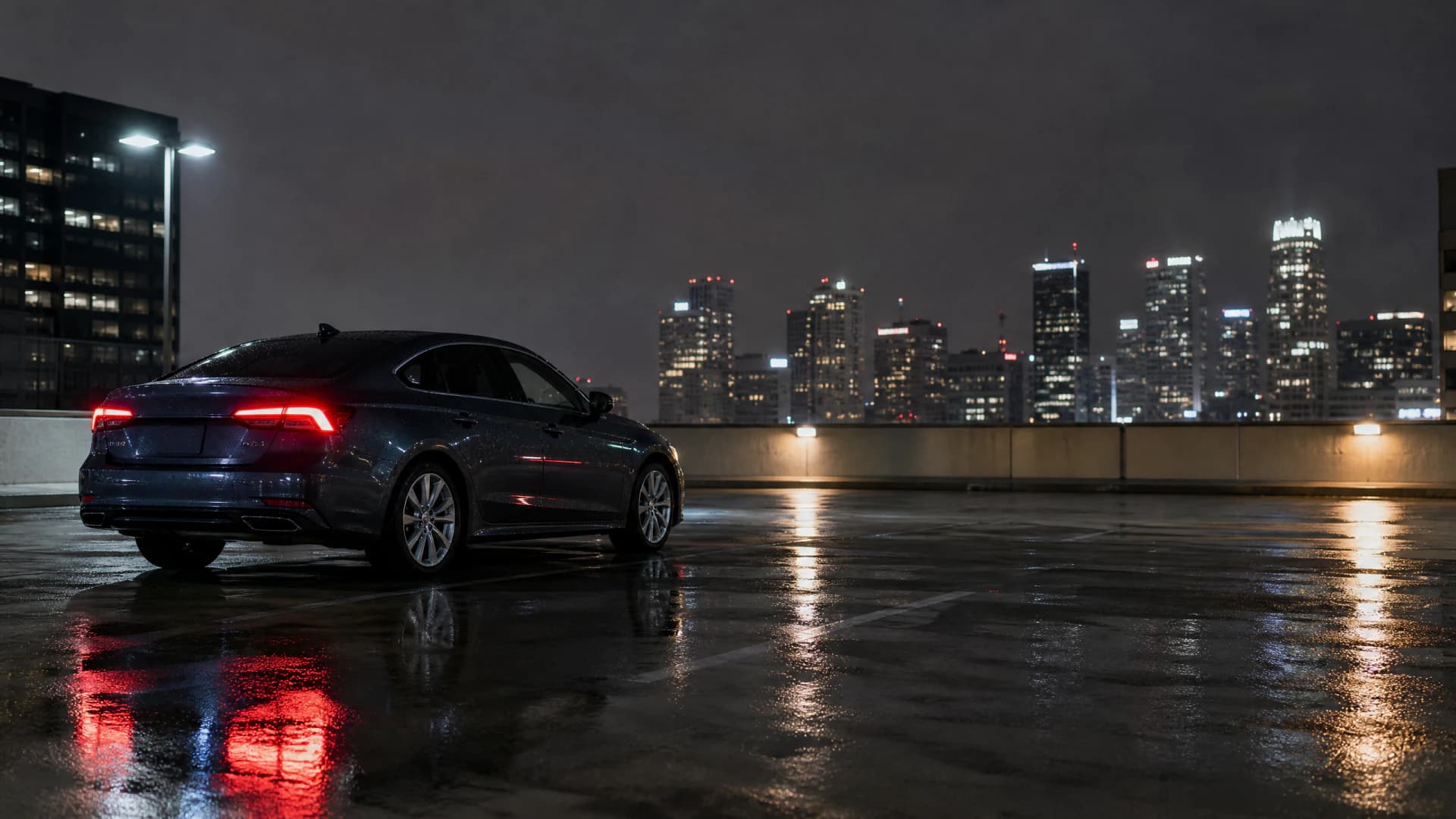
Most standard-tier carriers do not re-rate DUI drivers — they exit entirely, forcing you into the non-standard market where baseline rates start 40–60% higher before the DUI surcharge is even applied.
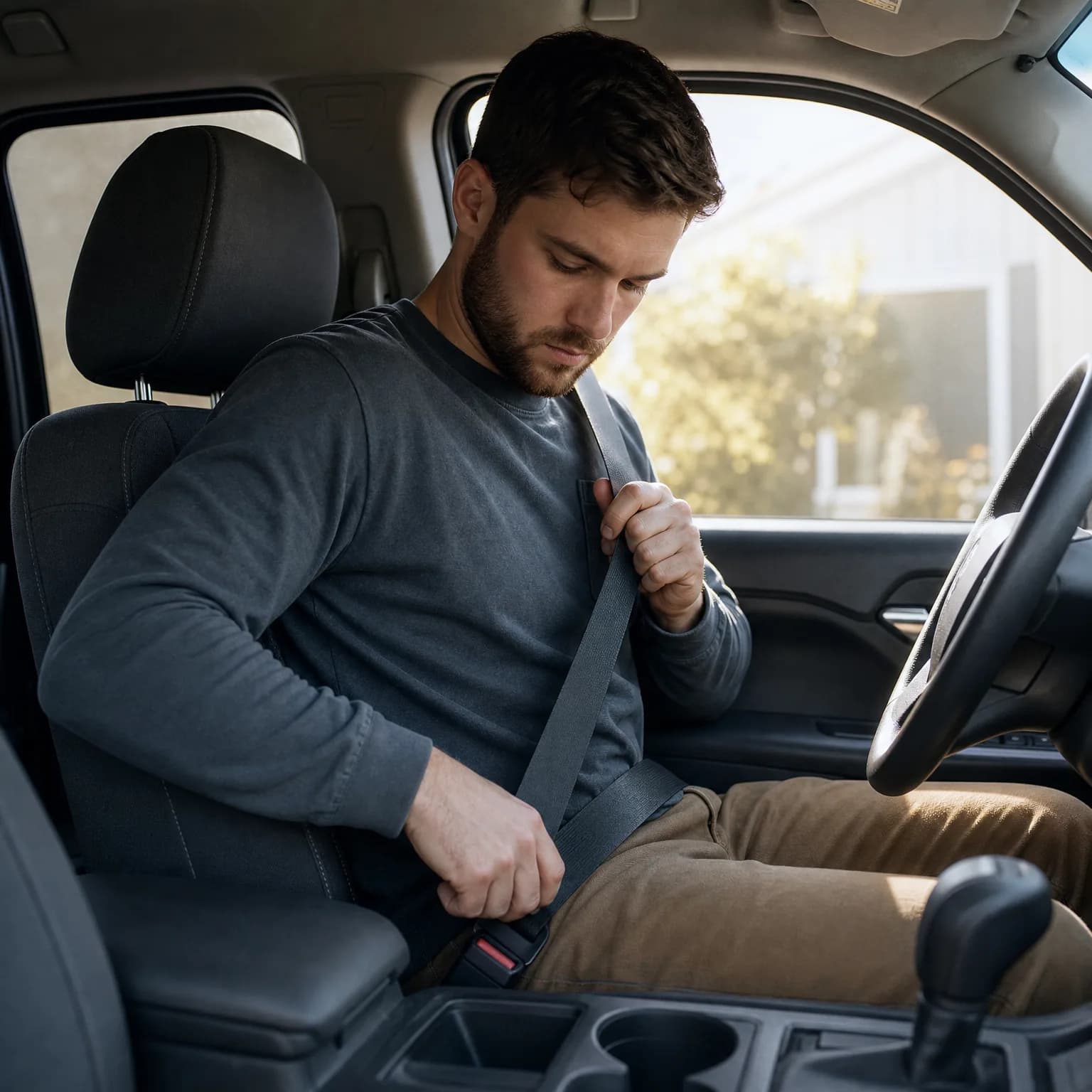






Non-Owner SR-22 Policies for Drivers Without a Vehicle
If you do not own a vehicle but need to satisfy the SR-22 filing requirement to begin your three-year compliance period or to qualify for a Restricted Driving Permit, a non-owner SR-22 policy meets the state's mandate. Non-owner policies provide liability coverage when you drive a vehicle you do not own — a rental, a borrowed car, or a vehicle owned by a household member under a separate policy. The coverage does not extend to vehicles you own or have regular access to.
Non-owner SR-22 policies in Illinois typically cost $35–$65/month for first-offense DUI drivers with no additional violations. Carriers writing non-owner SR-22 in Illinois include Dairyland, The General, GAINSCO, Progressive, and USAA. The Secretary of State does not distinguish between owner and non-owner SR-22 filings — both satisfy the three-year requirement identically. If you purchase a vehicle during the SR-22 period, you must convert to a standard owner policy and refile SR-22 under the new policy to avoid a lapse notification.
70–90%
Average Premium Increase First DUI
This figure combines the non-standard carrier baseline premium elevation and the DUI-specific surcharge applied on top. Drivers moving from standard-tier to non-standard-tier carriers see the steepest increases. Those able to remain with a standard carrier face lower percentage increases but most standard carriers non-renew rather than retain DUI drivers.
Illinois Department of Insurance market conduct data and carrier underwriting guidelines

Restricted Driving Permit Availability During Suspension
Illinois offers a Restricted Driving Permit (RDP) during your mandatory revocation period, allowing limited driving for work, medical appointments, education, and court-ordered treatment programs. First-offense DUI drivers under Statutory Summary Suspension face a mandatory 30-day hard suspension before RDP eligibility begins. After 30 days, you may apply for an RDP through a formal hearing with a Secretary of State hearing officer. The RDP requires proof of SR-22 insurance, payment of an $8 application fee, and installation of a Breath Alcohol Ignition Interlock Device on any vehicle you drive.
The BAIID requirement is non-negotiable for DUI-related RDPs in Illinois. The device costs approximately $75–$125 to install and $65–$85/month to lease and monitor. The Secretary of State defines specific driving windows and approved purposes on the RDP based on your stated hardship need. Violating the time, route, or purpose restrictions triggers immediate RDP revocation and extension of your underlying suspension. BAIID violations — failed breath tests, missed rolling retests, or tampering — also revoke the RDP and add time to your suspension.
Compare Carriers and Start Your SR-22 Filing
Securing SR-22 coverage from a non-standard carrier willing to file in Illinois starts your three-year compliance clock and, if you qualify, opens eligibility for a Restricted Driving Permit after the 30-day hard suspension. Delaying the insurance search delays both. Carriers writing SR-22 for first-offense DUI drivers in Illinois include Dairyland, Bristol West, The General, Acceptance, GAINSCO, Progressive, Geico, and State Farm. Not all write non-owner policies; not all offer identical pricing. Compare quotes from at least three carriers to identify the lowest compliant option, then file SR-22 immediately to begin your countdown toward full reinstatement.
How Premium Increases Break Down by Carrier Tier
Standard-tier carriers like State Farm, Allstate, and Erie typically non-renew at DUI conviction rather than applying a surcharge. If they do retain you, the increase ranges from 60–80% over your prior premium. Non-standard carriers like Dairyland, Bristol West, Acceptance, and The General will write DUI policies, but their baseline rates for clean-record drivers already run 30–50% higher than standard-tier pricing. When you add the DUI surcharge on top of that elevated baseline, the combined effect produces premiums 90–150% higher than what you paid before conviction.
A driver paying $95/month with a standard carrier pre-conviction can expect to pay $160–$210/month with a non-standard carrier post-conviction in Illinois, assuming no other rating factors changed. The increase reflects both the DUI surcharge and the inherent pricing difference between standard and non-standard market segments. After three years of clean driving and continuous SR-22 compliance, some drivers can move back to standard-tier carriers, but the DUI conviction remains a rated factor for five years in Illinois insurer underwriting models.
Get Your Free Quote
Get My Illinois Suspended License Insurance QuoteFrequently Asked Questions
Does my insurance company find out about a DUI immediately after conviction?
The Illinois Secretary of State notifies your insurer of the DUI conviction within 10–30 days of the court judgment. Your carrier then decides whether to non-renew your policy or apply a surcharge. Most standard-tier carriers non-renew rather than retain DUI drivers, sending a non-renewal notice 30–60 days before your current policy expires.
Can I keep my current insurance after a first DUI in Illinois?
Most standard-tier carriers like State Farm, Allstate, and Progressive non-renew DUI drivers rather than offering a renewal at increased rates. If your carrier does renew, expect a 60–80% premium increase. You will likely need to move to a non-standard carrier like Dairyland, Bristol West, or The General to maintain continuous coverage and satisfy the SR-22 filing requirement.
How long does SR-22 filing last after a DUI in Illinois?
Illinois requires three years of continuous SR-22 filing following DUI conviction, measured from the date your insurer files the certificate with the Secretary of State. If your policy lapses at any point during the three-year period, the state suspends your driving privileges and restarts the three-year requirement from zero when you refile.
Do I need SR-22 insurance if I do not own a car after a DUI?
Yes. Illinois requires SR-22 filing regardless of vehicle ownership to satisfy reinstatement conditions and to qualify for a Restricted Driving Permit. A non-owner SR-22 policy provides liability coverage when you drive vehicles you do not own and costs $35–$65/month for first-offense DUI drivers. The Secretary of State treats owner and non-owner SR-22 filings identically.
When can I apply for a Restricted Driving Permit after a first DUI in Illinois?
First-offense DUI drivers under Statutory Summary Suspension may apply for a Restricted Driving Permit after completing a mandatory 30-day hard suspension period. The RDP requires proof of SR-22 insurance, an $8 application fee, a formal hearing with a Secretary of State hearing officer, and installation of a Breath Alcohol Ignition Interlock Device on any vehicle you drive.
How much does a BAIID cost for an Illinois Restricted Driving Permit?
Breath Alcohol Ignition Interlock Devices cost approximately $75–$125 to install and $65–$85/month to lease and monitor. The Secretary of State requires BAIID installation for all DUI-related Restricted Driving Permits. Failed breath tests, missed rolling retests, or tampering with the device trigger immediate RDP revocation and extension of your underlying suspension.
Will my premium go back down after the SR-22 period ends?
Premiums typically decrease after the three-year SR-22 filing requirement ends, but the DUI conviction remains a rated factor in Illinois insurer underwriting models for five years from the conviction date. After three years of clean driving and SR-22 compliance, you may qualify to move back to a standard-tier carrier, which can reduce premiums by 30–50% compared to non-standard carrier rates.