
Non-Owner SR-22 Cost Without a Car — Illinois
Free to compare
You Need SR-22 But Don't Own a Car
Your Illinois license is suspended and the Secretary of State reinstatement letter says you need SR-22 insurance to get it back. You sold your car months ago, you're borrowing rides or using rideshare, and every insurance quote form you've tried asks for a VIN you don't have. You're stuck at the carrier selection step because the standard path assumes vehicle ownership you no longer have.
Illinois law requires SR-22 filing for most DUI, uninsured driving, and serious violation suspensions — but the filing requirement exists independently of vehicle ownership. The non-owner SR-22 policy covers you as a driver, not a specific car. It satisfies the Secretary of State's filing mandate, costs dramatically less than owner policies, and remains active as long as you maintain premium payments even if you never buy another vehicle.
“Non-owner SR-22 premiums run 60–75% lower than owner policies because the carrier's exposure is limited to liability claims when you drive someone else's car.”

Line Up Illinois Coverage Before Reinstatement
Get My Illinois Suspended License Insurance Quote$25–$50/mo
Illinois Non-Owner SR-22 Premium
Non-owner policies carry only state minimum liability coverage with no collision or comprehensive, producing monthly premiums 60–75% lower than comparable owner SR-22 policies. Rates vary by violation history and carrier but cluster in this range for suspended drivers without recent major claims.
Estimate based on Illinois carrier rate filings for non-owner liability products
What Non-Owner SR-22 Actually Covers
A non-owner SR-22 policy provides Illinois state minimum liability coverage: $25,000 bodily injury per person, $50,000 bodily injury per accident, and $20,000 property damage. This coverage follows you into any vehicle you drive with the owner's permission — a borrowed car, a rental, a friend's vehicle. It does not cover vehicles you own, vehicles registered in your name, or vehicles you use regularly enough that the carrier would classify them as assigned vehicles.
The SR-22 certificate itself is a filing the carrier submits electronically to the Illinois Secretary of State confirming you carry at least minimum liability coverage. The certificate stays active as long as your policy remains in force. If you cancel the policy or miss a payment, the carrier notifies the Secretary of State within 10 days and your license suspension reinstates automatically. The non-owner policy structure keeps this filing active without requiring you to insure a specific vehicle.
Non-owner policies exclude collision and comprehensive coverage because there is no insured vehicle to repair. They also exclude medical payments and personal injury protection in most Illinois carrier forms. Uninsured motorist coverage is required by Illinois law and is included in most non-owner policies at the state minimum $25,000 per person limit, though you can increase this if the carrier allows.
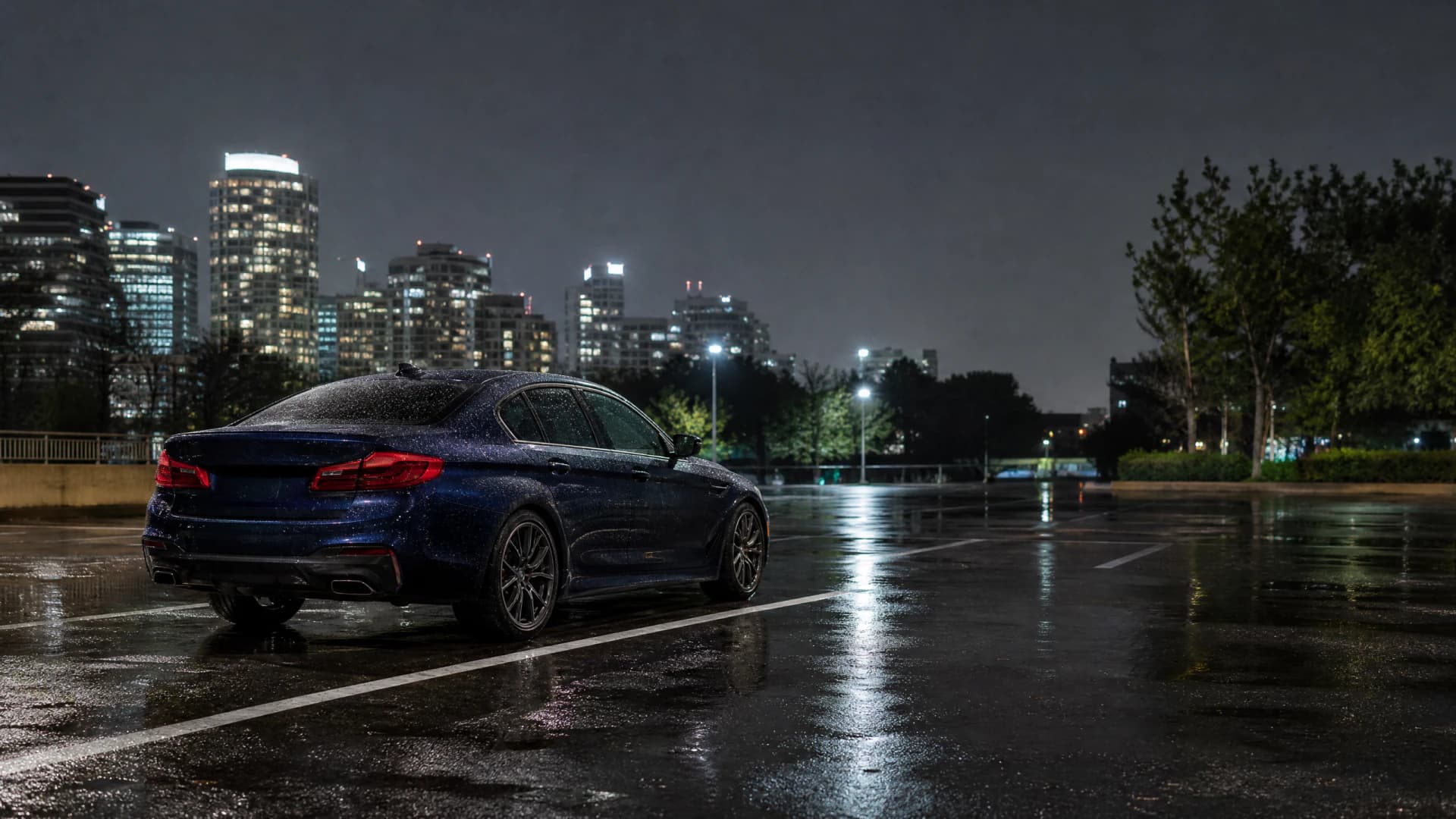
If you buy or register a vehicle while the non-owner policy is active, you must convert to an owner policy immediately — driving a vehicle you own under non-owner coverage voids the policy and cancels your SR-22 filing.




Why Non-Owner Premiums Are Lower
Non-owner policies cost less than owner policies because the risk profile is fundamentally different. You're not insuring collision risk, comprehensive risk, or the full replacement value of a vehicle. The carrier's exposure is limited to liability claims that arise when you drive someone else's car — a narrower and statistically less frequent risk pool than insuring a vehicle you own and drive daily.
Illinois non-owner SR-22 premiums for suspended drivers typically range $25–$50 per month, compared to $140–$280 per month for comparable owner SR-22 policies covering a single insured vehicle. The gap widens if the owner policy includes collision and comprehensive coverage. Even within the non-owner pool, your rate depends on violation severity: a DUI suspension produces higher premiums than an uninsured driving suspension, and multiple violations or recent at-fault accidents push rates toward the top of the range.
Carriers treat non-owner SR-22 as a high-risk product and most apply surcharges for the filing itself, separate from the base liability premium. These surcharges run $10–$25 per month and remain in place for the full SR-22 filing period. Some carriers waive the surcharge after the first year if you maintain a clean record, but this is carrier-specific and not guaranteed.
3 years
Illinois SR-22 Filing Duration
Illinois requires 3 years of continuous SR-22 filing for most DUI, uninsured driving, and serious violation suspensions, measured from the reinstatement date. Allowing the policy to lapse or canceling coverage before the 3-year period ends triggers immediate re-suspension and requires starting the filing period over from day one.
Illinois Secretary of State reinstatement requirements
When Non-Owner SR-22 Doesn't Work
Non-owner policies do not cover vehicles you own, vehicles registered in your household, or vehicles you drive regularly enough that the carrier classifies them as assigned vehicles. If you live with a family member who owns a car and you drive it more than occasionally, most carriers will deny a non-owner application and require you to be added as a listed driver on the owner's policy with SR-22 attached. This produces higher premiums because the carrier underwrites the full vehicle risk, not just your liability exposure.
If you plan to buy a vehicle within the next few months, consider whether starting with a non-owner policy and converting mid-term makes sense. Most carriers allow mid-term conversion but charge a policy change fee and recalculate your premium from scratch based on the vehicle you're adding. Some carriers treat the conversion as a new policy and restart underwriting, which can delay SR-22 filing if the new policy has a waiting period. If vehicle purchase is imminent, starting directly with an owner SR-22 policy avoids this friction.
File Before Your Reinstatement Window Closes
Illinois suspensions do not lift automatically when the suspension period ends. You must pay the reinstatement fee, satisfy all court or administrative conditions, and file SR-22 proof of insurance before the Secretary of State restores your license. If your suspension order specifies a reinstatement eligibility date, you have a limited window to complete these steps before penalties escalate or additional hearing requirements apply.
Start the carrier comparison process at least 30 days before your eligibility date. Non-owner SR-22 policies bind faster than owner policies because there is no vehicle inspection or VIN verification, but carrier underwriting still takes 3–7 business days and electronic SR-22 filing adds another 1–3 days. Missing your reinstatement window because you waited until the last week to shop coverage is a procedural failure that extends your suspension unnecessarily. Compare non-owner SR-22 rates from at least three Illinois-licensed carriers, confirm the carrier files electronically with the Secretary of State, and bind the policy as soon as you have clarity on your reinstatement timeline.
How to Get Non-Owner SR-22 Filed
Start with carriers confirmed to write non-owner SR-22 in Illinois: Progressive, GEICO, State Farm, Dairyland, The General, Bristol West, and GAINSCO all offer non-owner products and can file SR-22 electronically with the Secretary of State. Progressive and GEICO allow online quotes for non-owner policies; most others require phone applications. When you call, specify immediately that you need a non-owner policy with SR-22 filing — the agent workflow differs from standard auto applications and leading with this prevents wasted time on owner-policy forms.
The carrier will ask for your driver's license number, suspension details, and the date range you need SR-22 coverage. Illinois typically requires 3 years of continuous SR-22 filing post-reinstatement for DUI and uninsured driving cases. Bring a copy of your Secretary of State reinstatement letter to confirm the exact filing period required. Once the policy binds, the carrier files the SR-22 certificate electronically within 1–3 business days. You can verify filing status on the Illinois Secretary of State Driver Services website using your license number.
Get Your Free Quote
Get My Illinois Suspended License Insurance QuoteFrequently Asked Questions
Can I get SR-22 insurance in Illinois without owning a car?
Yes. Non-owner SR-22 policies provide state minimum liability coverage and satisfy Illinois Secretary of State filing requirements without insuring a specific vehicle. Premiums typically run $25–$50 per month, significantly lower than owner SR-22 policies.
How long does it take to get non-owner SR-22 filed in Illinois?
Carriers typically bind non-owner policies within 3–7 business days, then file the SR-22 certificate electronically with the Illinois Secretary of State within 1–3 additional business days. Total timeline from application to confirmed filing is usually 5–10 business days.
What happens if I buy a car while I have a non-owner SR-22 policy?
You must immediately convert to an owner SR-22 policy covering the vehicle you purchased. Driving a vehicle you own under non-owner coverage voids the policy and cancels your SR-22 filing, triggering automatic license re-suspension in Illinois.
Does a non-owner SR-22 policy cover rental cars in Illinois?
Yes. Non-owner policies provide liability coverage when you drive rental vehicles, borrowed vehicles, or any car you operate with the owner's permission. The policy does not cover vehicles you own or vehicles registered in your household.
How much does SR-22 filing cost in Illinois without a vehicle?
Non-owner SR-22 policies in Illinois cost approximately $25–$50 per month for state minimum liability coverage. Carriers typically add a $10–$25 monthly surcharge for the SR-22 filing itself, which remains in place for the required 3-year filing period.
Which carriers offer non-owner SR-22 in Illinois?
Progressive, GEICO, State Farm, Dairyland, The General, Bristol West, and GAINSCO all write non-owner SR-22 policies in Illinois. Progressive and GEICO allow online quotes; most others require phone applications to access non-owner products.
Can I cancel my non-owner SR-22 policy after reinstatement?
No. Illinois requires continuous SR-22 filing for 3 years post-reinstatement. Canceling the policy before the 3-year period ends triggers immediate license re-suspension and requires starting the filing period over from day one.