
Cheapest Liability SR-22 for High-Risk Drivers — Illinois
Free to compare
Illinois SR-22 Liability Costs After High-Risk Classification
You lost your Illinois license after a DUI or uninsured driving conviction, the Secretary of State told you that you need SR-22 filing to reinstate, and now every carrier quote you pull is triple what you paid before the suspension. Standard liability coverage that used to cost $50–$70/month now returns quotes of $140–$240/month in the non-standard tier. You're looking for the cheapest path that still satisfies the state filing requirement.
The structural reality: Illinois distinguishes between standard liability SR-22 (for drivers who own a vehicle) and non-owner SR-22 (for drivers who don't). Both satisfy the Secretary of State's three-year SR-22 filing requirement equally. But non-owner policies routinely cost $60–$90/month less because they exclude collision and comprehensive risk entirely. Most suspended drivers pursue the wrong product because they don't realize non-owner SR-22 is a legitimate reinstatement path.
“Non-owner SR-22 routinely costs $60–$90/month less than standard liability, but most suspended Illinois drivers pursue the wrong product because they don't know non-owner satisfies the Secretary of State equally.”

Line Up Illinois Coverage Before Reinstatement
Get My Illinois Suspended License Insurance Quote$80–$150/mo
IL Non-Owner SR-22 Premium
Illinois non-owner SR-22 policies covering state minimum liability (25/50/20) typically cost $80–$150/month for high-risk drivers with recent DUI or suspension history. Standard liability SR-22 for vehicle owners runs $140–$240/month for the same driver profile.
Estimates based on non-standard carrier rate structures for Illinois high-risk drivers, 2025
Why Non-Owner SR-22 Costs Less Than Standard Liability
Illinois Secretary of State requires SR-22 filing to prove continuous financial responsibility after DUI revocation, uninsured driving suspension, or repeated violations. The filing itself is a $25–$50 one-time fee paid to the carrier, not the state. The expensive part is the underlying liability policy the SR-22 certificate attaches to.
Standard liability SR-22 insures a specific vehicle you own or regularly drive. The carrier prices collision risk, theft risk, and comprehensive exposure into the premium. Non-owner SR-22 insures you as a driver across any vehicle you operate occasionally, but excludes vehicles you own or have regular access to. Because there's no collision or comprehensive exposure, the carrier's risk is lower and the premium drops accordingly.
Illinois Secretary of State accepts both product types equally for reinstatement. The three-year SR-22 filing clock starts the day the carrier transmits the electronic certificate to the SOS Safety and Financial Responsibility Division. If you don't own a car and won't be purchasing one during the filing period, non-owner SR-22 is the structurally cheaper path.

If you own a vehicle registered in your name, non-owner SR-22 won't work: carriers exclude owned vehicles from non-owner policies, leaving you uninsured if you drive your own car.




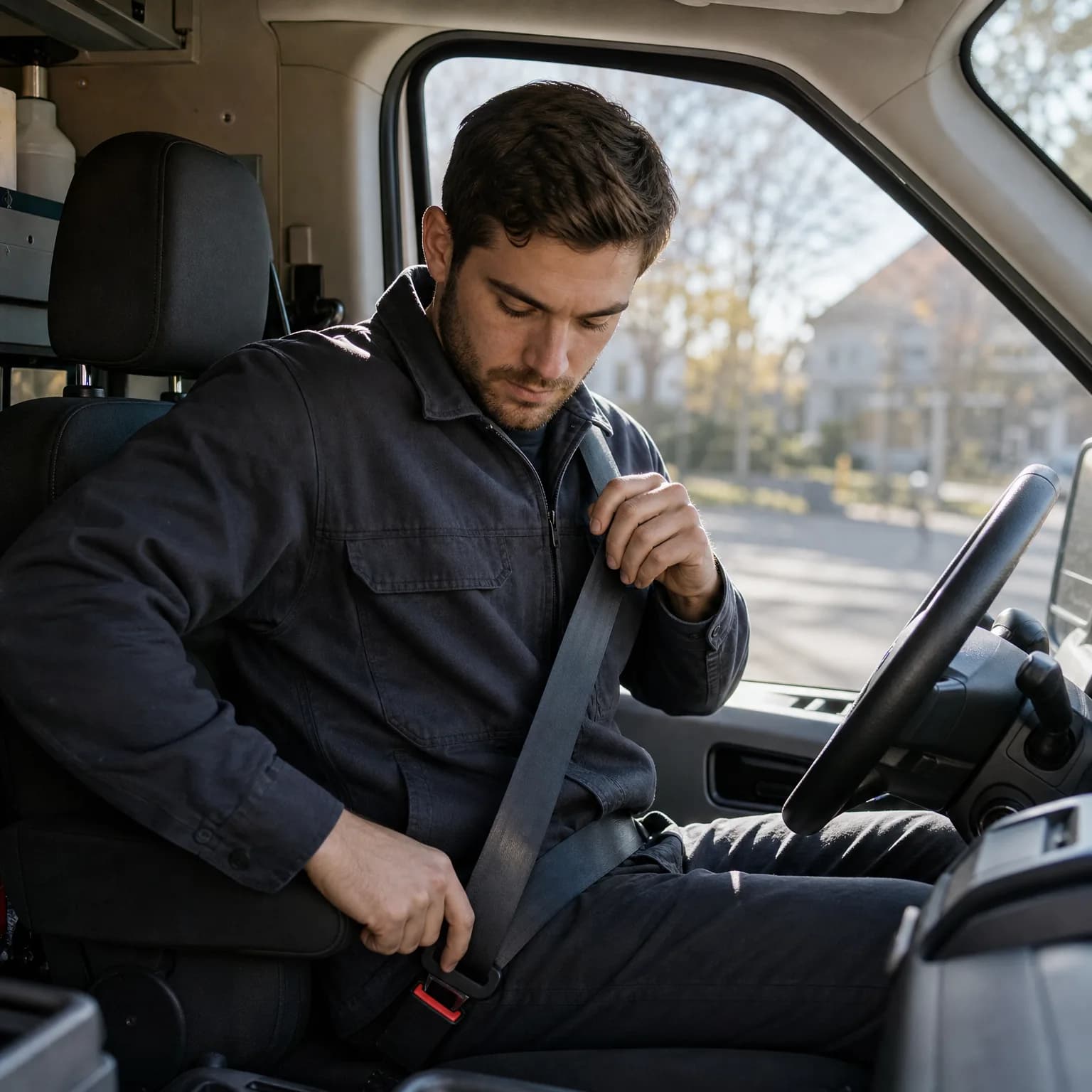


How Illinois SR-22 Filing Timing Affects Reinstatement
Illinois imposes a three-year SR-22 filing requirement for most DUI revocations and uninsured driving suspensions, measured from the date the carrier's electronic certificate reaches the Secretary of State, not the date you purchase the policy. If your carrier delays transmission by five business days, your three-year clock starts five days later than you expect. Dairyland, Progressive, and The General transmit SR-22 certificates electronically within one business day of policy binding. State Farm and some regional carriers still process SR-22 filings manually, adding three to seven business days to the timeline.
If you let your SR-22 policy lapse at any point during the three-year period, the Secretary of State receives an electronic cancellation notice from the carrier within 24 hours and suspends your license immediately. There is no grace period. Reinstatement after an SR-22 lapse requires purchasing a new policy, paying a $70 suspension reinstatement fee on top of any prior fees, and restarting the three-year SR-22 clock from zero. Drivers who switch carriers mid-filing period must ensure the new carrier transmits the SR-22 certificate before the old policy cancels, or the lapse triggers automatic suspension even if coverage was never actually interrupted.
Illinois uses a BAIID (Breath Alcohol Ignition Interlock Device) program for DUI-related Restricted Driving Permits during the suspension period. BAIID is required for all DUI RDPs and monitored by the Secretary of State. If you're pursuing an RDP while your license is still suspended, the SR-22 filing requirement runs parallel to the BAIID requirement: both must remain active simultaneously, and both reset to zero if either lapses.
$500–$1,000
IL DUI Reinstatement Fee
Illinois charges a $500 reinstatement fee for first DUI revocation and $1,000 for second or subsequent DUI revocations. These fees are in addition to the $70 base suspension reinstatement fee and any SR-22 filing fees paid to the carrier.
Illinois Secretary of State fee schedule, 2025

Non-Owner SR-22 Eligibility and Coverage Limits
Illinois requires non-owner SR-22 policies to carry at minimum the state's mandatory liability limits: $25,000 bodily injury per person, $50,000 bodily injury per accident, and $20,000 property damage (25/50/20). Carriers won't write non-owner policies below these minimums because the SR-22 certificate the Secretary of State receives includes the coverage amounts, and the state rejects filings that fall short of the statutory floor. Some carriers offer higher limits (50/100/25 or 100/300/50) on non-owner policies, but the premium increases by $15–$40/month per tier and provides no reinstatement advantage: the Secretary of State only verifies that you meet the minimum, not whether you exceed it.
Non-owner SR-22 excludes any vehicle registered in your name, any vehicle you own but haven't registered, and any vehicle you have regular access to (typically defined as a household vehicle or an employer-provided vehicle you drive more than twice per month). If you live with a family member who owns a car and you occasionally borrow it, most carriers still allow non-owner coverage. If you live with a spouse or partner and regularly share a household vehicle, carriers will require you to list that vehicle on a standard policy or exclude you from driving it entirely.
Compare Illinois SR-22 Carriers for Your Violation Profile
The cheapest Illinois SR-22 liability carrier for your specific situation depends on whether you need standard or non-owner coverage, how many violations appear on your record, and how recently the suspension occurred. Dairyland consistently quotes the lowest premiums for drivers with one DUI and no other violations. The General beats Dairyland by $10–$30/month for drivers with multiple violations or a DUI plus points accumulation. Progressive offers competitive rates for drivers whose suspension stemmed from insurance lapse rather than DUI, but prices DUI drivers into the same tier as Dairyland.
Request quotes from at minimum three carriers that write SR-22 in Illinois: Dairyland, The General, and Progressive for standard coverage; add GEICO and Bristol West for non-owner. USAA members should quote USAA first, as their non-owner SR-22 rates typically undercut all competitors. Verify that each quote includes SR-22 filing and that the carrier transmits electronically to the Illinois Secretary of State: some regional carriers still mail paper certificates, delaying your reinstatement timeline by a week or more. Compare the monthly premium, the SR-22 filing fee, and the carrier's electronic transmission timeline before binding coverage.
Which Carriers Write Cheapest Illinois SR-22 Liability
For standard liability SR-22 (vehicle owners): Dairyland, Progressive, The General, and GAINSCO consistently quote in the $140–$200/month range for Illinois drivers with one DUI and clean records otherwise. Progressive and GEICO write SR-22 policies but reserve their lowest rates for drivers whose only violation is the suspension itself, not the underlying DUI. Carriers like State Farm and Allstate write SR-22 in Illinois but typically won't quote high-risk drivers at all, redirecting them to non-standard subsidiaries or declining coverage outright.
For non-owner SR-22: Dairyland, The General, Progressive, GEICO, and USAA (for eligible members) write non-owner policies with SR-22 endorsement in Illinois. Dairyland and The General specialize in high-risk non-owner coverage and typically return the lowest quotes for drivers with DUI or multiple violations. GEICO and Progressive offer competitive non-owner rates but reserve them for drivers whose suspension stemmed from insurance lapse or points accumulation rather than DUI. USAA writes non-owner SR-22 for members and typically beats all competitors by $30–$50/month, but membership eligibility is restricted to military servicemembers, veterans, and their families.
Get Your Free Quote
Get My Illinois Suspended License Insurance QuoteFrequently Asked Questions
Does Illinois accept non-owner SR-22 for license reinstatement after DUI?
Yes. Illinois Secretary of State accepts non-owner SR-22 filing equally with standard SR-22 for DUI reinstatement, as long as the policy meets state minimum liability limits (25/50/20). Non-owner SR-22 works only if you don't own a vehicle or have regular access to a household vehicle.
How much does SR-22 filing cost in Illinois on top of the policy premium?
Illinois SR-22 filing itself costs $25–$50 as a one-time carrier fee. The expensive part is the underlying liability policy: $140–$240/month for standard coverage, $80–$150/month for non-owner, for high-risk drivers with DUI or suspension history.
What happens if my Illinois SR-22 insurance lapses during the three-year period?
The carrier electronically notifies Illinois Secretary of State within 24 hours and your license is suspended immediately with no grace period. Reinstatement requires a new SR-22 policy, a $70 suspension fee, and restarting the full three-year SR-22 clock from zero.
Can I switch SR-22 carriers in Illinois without restarting the three-year clock?
Yes, but the new carrier must transmit the SR-22 certificate to Illinois Secretary of State before your old policy cancels. If there's any gap, even one day, the state treats it as a lapse and suspends your license, forcing you to restart the three-year period.
Which Illinois carriers write the cheapest non-owner SR-22 for DUI drivers?
Dairyland and The General consistently quote the lowest non-owner SR-22 rates for Illinois DUI drivers, typically $80–$130/month. USAA beats both by $30–$50/month for eligible military members and veterans. GEICO and Progressive offer competitive rates for non-DUI suspensions but price DUI drivers higher.
Does Illinois require SR-22 for all license suspensions or only DUI?
Illinois requires SR-22 for DUI revocations, uninsured driving suspensions, and repeated moving violations. Suspensions for unpaid fines, child support arrears, or failure to appear typically don't require SR-22 unless the underlying cause was insurance-related. Verify your specific reinstatement requirements with the Secretary of State Safety and Financial Responsibility Division.